The intricate relationship between what we eat and how we feel has moved from the realm of folklore into the cutting edge of modern neuroscience. For decades, the medical community viewed the brain and the digestive system as two completely separate entities, but we now know they are locked in a constant, 24-hour conversation. This biological dialogue is known as the Gut-Brain Axis, a complex communication network that links your enteric nervous system with your central nervous system.
Within your gut lies a vast ecosystem of trillions of bacteria, known as the microbiome, which acts almost like a second brain, producing the very chemicals that regulate your happiness and anxiety. In fact, a staggering 95% of your body’s serotonin, the “feel-good” hormone, is produced in your gut rather than your head. When we consume highly processed foods, we aren’t just gaining weight; we are effectively sending “bad data” to our brains, leading to brain fog, irritability, and even long-term depression.
Conversely, fueling our bodies with nutrient-dense, fermented, and fiber-rich foods can act as a powerful antidepressant and mood stabilizer. By understanding the mechanics of this internal connection, we can move beyond the limitations of “willpower” and start using our dinner plates as a tool for mental resilience and emotional clarity in an increasingly stressful world.
A. The Anatomy of the Second Brain
Did you know that your gut contains more than 100 million nerve cells? This is why it is formally referred to as the Enteric Nervous System (ENS).
While the ENS doesn’t write poetry or solve math problems, its primary role is to monitor every aspect of digestion and relay that information to the brain. This connection is so strong that even the thought of eating can trigger the release of stomach acid before food even touches your tongue.
A. The Vagus Nerve acts as the “superhighway” between the gut and the brain, sending signals in both directions.
B. Neurotransmitters like dopamine and GABA are produced by gut bacteria to influence your emotional state.
C. The Enteric Nervous System can operate independently of the brain, making it a unique “autonomous” entity in the body.
D. Communication is bi-directional, meaning a stressed brain can cause an upset stomach, and an inflamed gut can cause a stressed brain.
E. Sensory receptors in the gut detect chemical changes and physical pressure, sending immediate updates to the hypothalamus.
B. The Microbiome: Your Internal Mood Creators
Your gut is home to a massive population of microbes that are essential for your survival. These bacteria are not just passive passengers; they are active chemical factories.
A healthy microbiome is diverse, meaning it has many different types of beneficial bacteria. When this diversity is lost—a condition called dysbiosis—it often manifests as mood swings and mental fatigue.
A. Lactobacillus and Bifidobacterium are two key bacterial families that have been linked to lower levels of anxiety.
B. Short-Chain Fatty Acids (SCFAs) are produced when bacteria ferment fiber, and they play a massive role in brain health.
C. The Blood-Brain Barrier can be influenced by the metabolic byproducts of your gut bacteria.
D. Microbes compete for resources, and “bad” bacteria often thrive on the very sugars that cause brain fog.
E. Diversity is the goal; the more varied your diet, the more diverse and resilient your microbial community becomes.
C. Serotonin: The Gut’s Most Famous Export
Most people are surprised to learn that serotonin is primarily a gut hormone. This chemical is responsible for regulating sleep, appetite, and, most importantly, your mood.
If your gut lining is inflamed or your microbiome is out of balance, your body struggles to produce this vital chemical. This is why digestive issues and depression so often go hand in hand.
A. Tryptophan is the amino acid precursor to serotonin that you must get from your diet, found in turkey, eggs, and cheese.
B. Vitamin B6 and Magnesium are essential co-factors that your body needs to convert tryptophan into serotonin.
C. Sunlight and gut health work together to keep serotonin levels high throughout the changing seasons.
D. Selective Serotonin Reuptake Inhibitors (SSRIs) often have digestive side effects because they affect the serotonin receptors in the gut.
E. Healthy digestion ensures that serotonin levels remain stable, preventing the emotional crashes that lead to outbursts.
D. The Danger of the Modern Ultra-Processed Diet
The standard modern diet is a disaster for the Gut-Brain Axis. Highly processed foods are designed for shelf-life, not for the life of your microbiome.
These foods are often stripped of fiber and loaded with artificial emulsifiers and sweeteners. These ingredients can damage your gut lining, leading to a condition known as “Leaky Gut.”
A. Refined Sugars feed the types of bacteria that promote inflammation and increase the risk of anxiety disorders.
B. Artificial Sweeteners like aspartame have been shown in some studies to negatively alter the composition of gut microbes.
C. Emulsifiers found in packaged snacks can break down the protective mucus layer of the intestines.
D. Trans Fats can cross into the brain and interfere with the healthy signaling of neurons.
E. Chronic Inflammation triggered by poor diet is now being studied as a primary biological cause of clinical depression.
E. Fermented Foods: Natural Probiotics for the Soul
One of the fastest ways to improve your mood is to introduce “living” foods into your diet. Fermented foods are rich in natural probiotics that directly colonize your gut.
Foods like kimchi, sauerkraut, and kefir are not just trends; they are ancient technologies for health. They introduce beneficial strains of bacteria that help crowd out the harmful microbes.
A. Kefir is a fermented milk drink that contains a much wider variety of bacteria than standard yogurt.
B. Kimchi provides both probiotics and the fiber (prebiotics) those bacteria need to survive and thrive.
C. Kombucha offers a fizzy, low-sugar alternative to soda that supports a healthy digestive environment.
D. Miso and Tempeh are fermented soy products that provide high-quality protein alongside gut-friendly microbes.
E. Raw Sauerkraut is a powerful source of Lactobacillus that can be easily added to any meal as a side dish.
F. Prebiotics: Feeding the Good Guys 
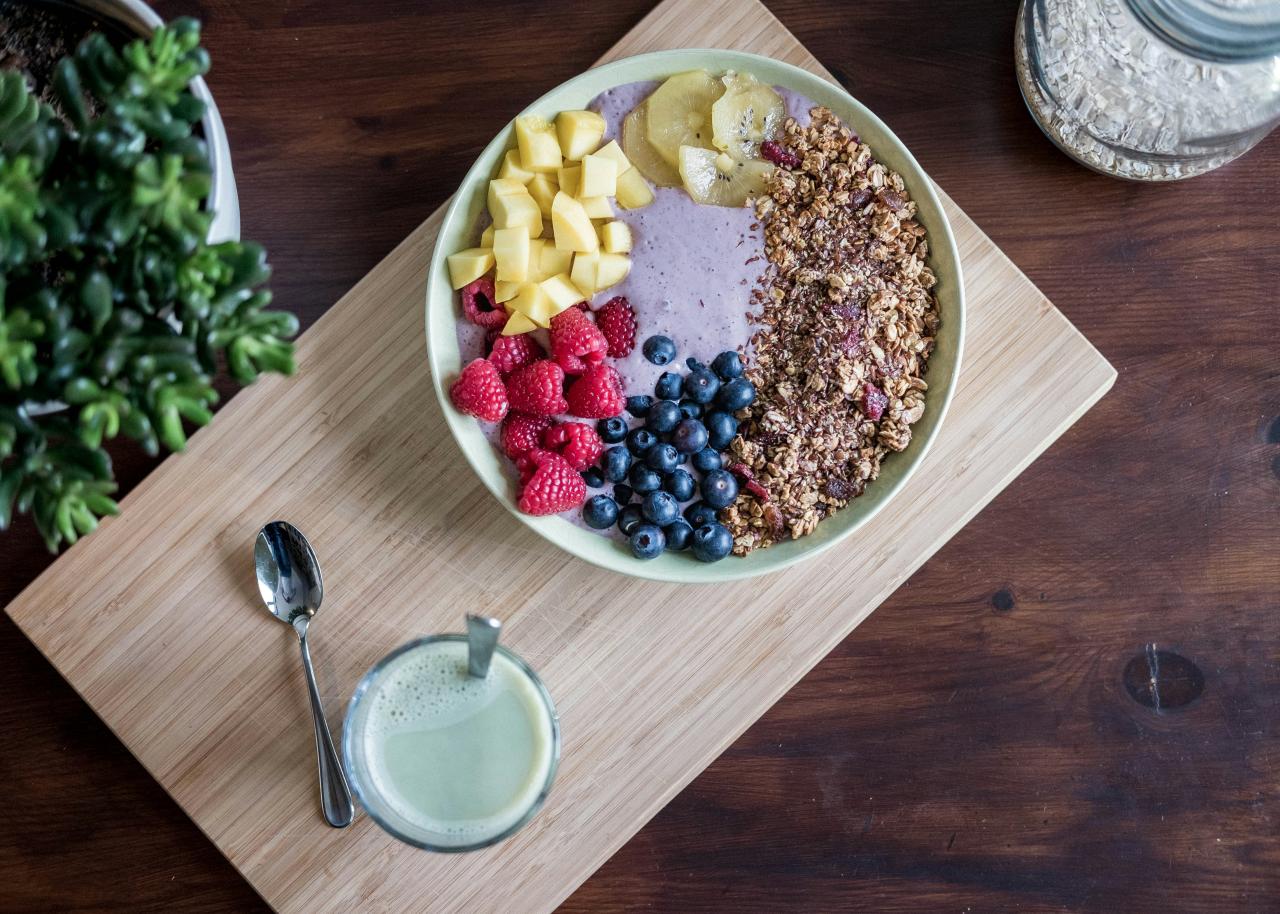
It isn’t enough to just eat probiotics; you have to feed them. Prebiotics are a type of fiber that humans cannot digest, but our beneficial gut bacteria love to eat.
Without prebiotics, the good bacteria in your gut will starve or start to eat the protective mucus lining of your stomach. This leads to a breakdown in the essential gut-brain communication.
A. Inulin is a powerful prebiotic found in onions, garlic, and Jerusalem artichokes.
B. Resistant Starch, found in cooked and cooled potatoes, is a favorite food for beneficial gut microbes.
C. Legumes like lentils and chickpeas are excellent sources of fermentable fiber for long-term gut health.
D. Asparagus and Leeks contain unique fibers that help stimulate the growth of mood-boosting bacteria.
E. Whole Grains like oats and barley provide the “bulk” necessary for a healthy and moving digestive system.
G. The Impact of Stress on Your Gut Microbiome
The conversation goes both ways; your brain also tells your gut how to behave. High levels of stress hormones like cortisol can physically change the environment of your intestines.
When you are stressed, your body diverts blood away from the gut and toward your muscles. This slows down digestion and can kill off sensitive beneficial bacteria in a matter of hours.
A. Nervous Tummy is a real physiological reaction to the brain’s “fight or flight” signals.
B. Chronic Stress makes the gut lining more permeable, allowing toxins to leak into the bloodstream.
C. Mindful Eating—slowing down and chewing thoroughly—helps signal to the brain that it is safe to digest.
D. Deep Breathing before a meal can activate the parasympathetic nervous system, improving nutrient absorption.
E. Sleep Deprivation creates a stress response that negatively alters the gut microbiome within a single night.
H. Hydration and Mental Clarity
Water is the medium through which all chemical reactions in the gut and brain take place. Even mild dehydration can lead to a drop in mood and a spike in anxiety.
A dehydrated gut cannot produce mucus efficiently, leading to irritation and poor nutrient transport. Drinking enough water ensures that your “second brain” can communicate clearly with your first.
A. Electrolytes like sodium, potassium, and magnesium are necessary for the electrical signals of the Vagus nerve.
B. Thirst is often mistaken for hunger or irritability, leading people to eat sugar when they actually need water.
C. Filtered Water is often better for the gut, as excess chlorine in tap water can sometimes harm sensitive bacteria.
D. Herbal Teas like peppermint or ginger can soothe the gut lining and reduce stress-related bloating.
E. Starting the day with a large glass of water helps wake up the digestive system for the day ahead.
I. The Anti-Inflammatory Power of Healthy Fats
Your brain is about 60% fat, so the quality of the fats you eat directly determines the quality of your thoughts. Omega-3 fatty acids are the most important for mental health.
These fats are highly anti-inflammatory, helping to cool down the fires of inflammation in both the gut and the brain. They improve the fluidity of your brain cells, making communication faster.
A. Fatty Fish like salmon, sardines, and mackerel are the best sources of EPA and DHA.
B. Walnuts and Flaxseeds provide ALA, a plant-based omega-3 that the body can convert into usable forms.
C. Extra Virgin Olive Oil is a staple of the Mediterranean diet and is famous for its brain-protective polyphenols.
D. Avocados provide monounsaturated fats that support healthy blood flow to the brain and gut.
E. Avoid Seed Oils in high quantities, as they can promote the inflammation we are trying to stop.
J. Polyphenols: The Brain Berries
Polyphenols are plant compounds that act as antioxidants and fuel for your gut bacteria. They are what give fruits and vegetables their vibrant colors.
Berries, dark chocolate, and green tea are all packed with these compounds. They have been shown to improve memory, focus, and overall emotional resilience.
A. Anthocyanins in blueberries can cross the blood-brain barrier to protect neurons from stress.
B. Dark Chocolate contains flavonoids that improve blood flow to the brain’s emotional centers.
C. Green Tea contains EGCG and L-theanine, which provide a calm energy that prevents caffeine jitters.
D. Red Grapes and Resveratrol help protect the gut lining from oxidative damage.
E. Spices like Turmeric are potent anti-inflammatories that support the healthy functioning of the Gut-Brain Axis.
K. Intermittent Fasting and Gut Repair
Giving your gut a break from digesting food can be one of the best things you do for your mental health. This process is called “autophagy,” where the body cleans out damaged cells.
When you fast, your gut has time to repair its lining and balance its microbial populations. Many people report a significant increase in mental clarity after 12 to 16 hours of not eating.
A. Time-Restricted Feeding aligns your eating habits with your body’s natural circadian rhythms.
B. Migrating Motor Complex is the gut’s housekeeping wave that only happens when you are not eating.
C. Fasting lowers insulin levels, which can reduce the brain fog associated with blood sugar spikes.
D. Growth Hormone increases during fasting, which helps repair both gut and brain tissues.
E. Listen to your body; fasting should feel like a reset, not a stressful starvation period.
L. Building a Mood-Boosting Meal Plan
You don’t need a complicated diet to start feeling better today. Focus on crowding out the bad stuff with plenty of the good stuff.
A perfect mood-boosting plate is half vegetables, one-quarter clean protein, and one-quarter healthy fats or complex carbs. Add a small serving of something fermented, and you have a recipe for mental health.
A. Breakfast: Swap sugary cereal for eggs with avocado or Greek yogurt with berries and hemp seeds.
B. Lunch: A large salad with leafy greens, chickpeas, walnuts, and an olive oil dressing.
C. Snack: A handful of almonds or a piece of dark chocolate instead of a processed granola bar.
D. Dinner: Baked wild-caught fish with roasted sweet potatoes and a side of kimchi or sauerkraut.
E. Consistency: Small changes made over several weeks are more effective than a detox that only lasts three days.
Conclusion
Understanding the connection between your gut and your brain is a total game-changer for your daily mental health.
Your digestive system is far more than just a place to process the calories you consume throughout the day.
It is a sophisticated chemical factory that produces the neurotransmitters responsible for your happiness and calm.
Feeding your internal microbiome with fiber and fermented foods is a direct investment in your emotional stability.
We must move away from the highly processed sugars that fuel inflammation and cloud our mental clarity.
The Vagus nerve provides a literal physical link between the food on your plate and the thoughts in your head.
When you treat your gut with respect, your brain rewards you with focus, energy, and a resilient mood.
Drinking enough water and consuming healthy omega-3 fats ensures that the communication lines remain open and clear.
Even small adjustments to your breakfast routine can have a massive impact on how you handle stress at work.
The gut-brain axis is a two-way street that requires both a calm mind and a nourished body to function.
As we move forward into 2026, nutrition will likely become the first line of defense against the mental health crisis.
Take control of your mood today by choosing foods that feed your second brain and nourish your soul.