In the vast, intricate world of modern medical science, few disciplines are as immediate, consequential, and technologically dependent as surgery. Surgery represents the definitive, transformative intervention where physicians directly alter the human body’s physical structure to repair damage, treat disease, or correct debilitating deformities.
This high-stakes discipline extends far beyond emergency room heroics. It encompasses a spectrum of planned, meticulously executed procedures, ranging from minimally invasive techniques that require only tiny incisions to complex, prolonged open operations. The decision to undergo surgery is always a profound one. It involves weighing significant risks against the promise of restored health, enhanced function, and often, life itself.
Surgical procedures are the culmination of centuries of anatomical knowledge, decades of rigorous medical training, and continuous technological innovation, demanding unparalleled precision and teamwork from every member of the operating room staff.
Understanding the evolution, specialization, and critical phases of a surgical intervention is vital. It reveals how modern medicine physically transforms the body to maximize patient well-being and long-term health outcomes.
Defining the Scope of Surgical Intervention
Surgery is generally defined as the medical specialty that treats diseases, injuries, or deformities by physically removing or repairing tissue, organs, or bones. The necessity for surgery arises when less invasive options, such as medication, physical therapy, or lifestyle changes, have proven insufficient or ineffective. The surgical intervention aims to provide a rapid, definitive solution to a structural or localized medical problem. This can involve removing diseased tissue, such as a cancerous tumor, or repairing physical damage, such as a torn ligament or a fractured bone.
The field is characterized by its reliance on invasive techniques. Surgery requires making incisions or using instruments to access the internal structures of the body directly. This invasive nature mandates extreme attention to sterility, patient monitoring, and post-operative recovery management. The procedural focus requires highly specialized skill sets.
Modern surgery is highly specialized, dividing into numerous fields based on the specific anatomical area or organ system involved. A heart surgeon possesses expertise distinct from that of an orthopedic surgeon. This division of labor ensures that the practitioner has an immense depth of experience in their specific area. This expertise minimizes operative risk significantly.
The planning phase is meticulous. It involves advanced imaging, rigorous patient health assessments, and detailed consultations with the patient. The success of the operation is often determined by the accuracy and thoroughness of this pre-operative preparation.
The Evolution to Minimally Invasive Techniques
The history of surgery has seen a dramatic, beneficial evolution away from massive, open incisions toward highly precise, minimally invasive techniques. This technological shift has profoundly improved patient outcomes. It has significantly reduced recovery times and minimized post-operative pain.
A. Laparoscopic Surgery
Laparoscopic surgery, often called “keyhole” surgery, is a cornerstone of minimally invasive procedures. It involves inserting a thin, tube-like instrument (the laparoscope) through small incisions, typically less than an inch long. The laparoscope contains a miniature camera that transmits a magnified image to a monitor, guiding the surgeon’s specialized instruments. This approach is common in gallbladder removal and appendix surgery.
B. Endoscopic Procedures
Endoscopic procedures utilize flexible tubes (endoscopes) that are inserted through natural body openings, such as the mouth, nose, or rectum. This allows the surgeon to diagnose and treat internal conditions without making any external incision whatsoever. Examples include colonoscopies and gastroscopies. These techniques are often used for biopsies and immediate issue removal.
C. Robotic-Assisted Surgery
Robotic-assisted surgery utilizes advanced robotic platforms controlled entirely by the surgeon from a console in the operating room. The robotic arms translate the surgeon’s hand movements into precise, micro-scale movements of the surgical instruments inside the patient. This technology enhances the surgeon’s dexterity. It provides superior visualization and allows for unprecedented precision in complex, confined anatomical spaces.
D. Benefits of Minimally Invasive Surgery (MIS)
The primary benefit of MIS techniques is a dramatically reduced incision size. This reduction leads to less trauma to surrounding tissues and significantly less blood loss during the operation. Patients experience reduced post-operative pain. This allows for faster mobilization and much shorter hospital stays. Patients return to their normal lives and work activities far more quickly than with traditional open surgery.
Critical Phases of Surgical Care

Every surgical procedure follows a strict, sequential protocol. This structured approach is mandatory to ensure patient safety and minimize the risk of error or infection at every stage. The process is divided into three major, distinct phases.
E. Pre-Operative Phase
The Pre-Operative Phase involves all critical activities that occur before the patient enters the operating room. This includes obtaining informed consent from the patient, ensuring they fully understand the risks and benefits of the procedure. It also involves a detailed patient assessment, including lab tests, imaging, and a consultation with the anesthesiologist. The patient’s physical and psychological readiness for the operation is verified during this crucial phase.
F. Intra-Operative Phase
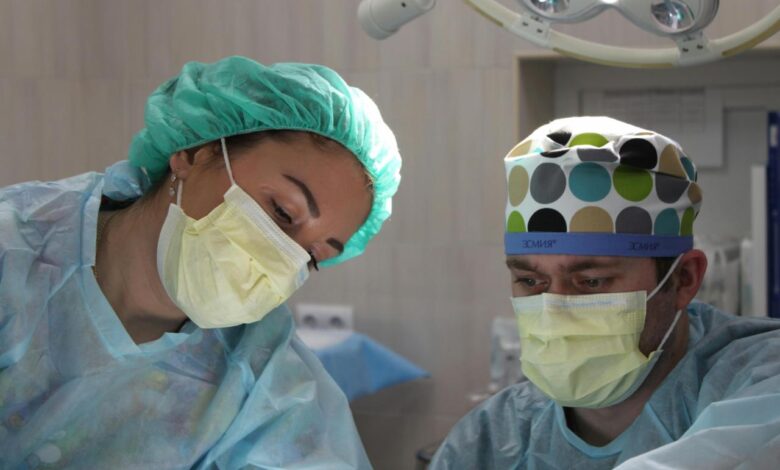
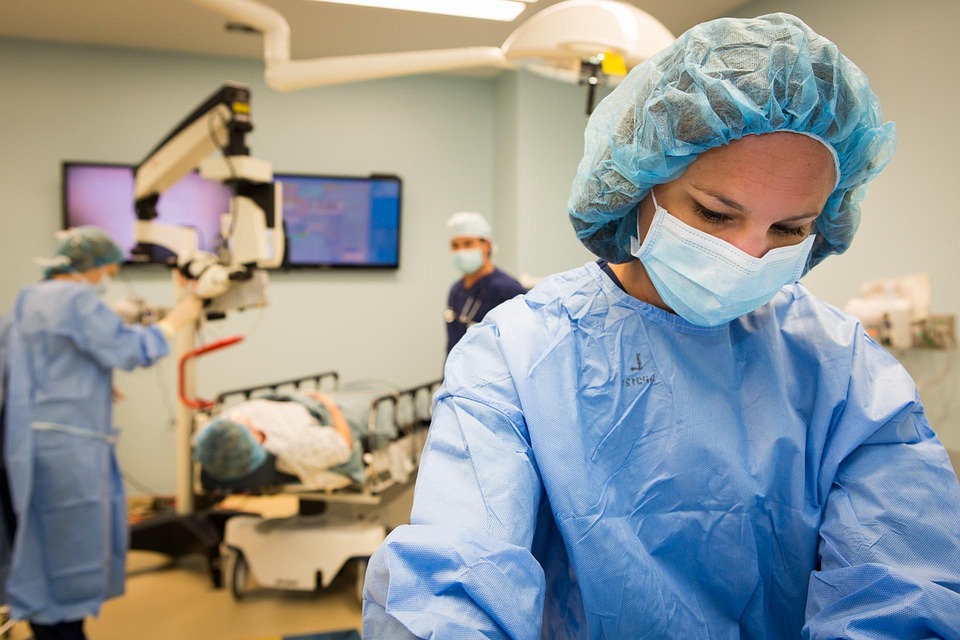
The Intra-Operative Phase encompasses the actual time spent in the operating room. This phase begins when the patient is transported to the theater and ends when the patient is moved to the recovery area. A highly skilled surgical team, including the surgeon, the anesthesiologist, and specialized nurses, works collaboratively.
Maintaining a sterile field, precisely monitoring the patient’s vital signs, and meticulous execution of the procedure are the absolute priorities. Strict communication and adherence to checklists (like time-outs) are essential for preventing errors.
G. Post-Operative Phase
The Post-Operative Phase includes the patient’s recovery from anesthesia and the subsequent rehabilitation period. The patient is closely monitored in a recovery unit immediately following the operation. This phase focuses on pain management, preventing post-operative infections, and assessing the healing process. Comprehensive care often requires physical therapy, medication management, and diligent wound care. This phase is crucial for ensuring the long-term success of the surgery.
Anesthesia: The Science of Pain Management
Anesthesia is an indispensable medical specialty in its own right. It is dedicated to managing the patient’s consciousness, sensation of pain, and vital signs throughout the surgical procedure. The anesthesiologist is a physician specialist. They are a critical, non-negotiable member of the surgical team.
H. General Anesthesia
General Anesthesia induces a reversible state of unconsciousness. The patient feels no pain, has no memory of the procedure, and their vital functions are carefully controlled. The anesthesiologist is responsible for administering the drugs, monitoring heart rate, breathing, and blood pressure, and managing the patient’s return to consciousness. This requires precise pharmacological and physiological expertise.
I. Regional Anesthesia
Regional Anesthesia involves blocking pain sensation in only a specific part of the body. The patient remains conscious throughout the procedure. Examples include spinal blocks and epidurals, which numb areas like the lower body. This technique is often safer than general anesthesia for patients with pre-existing medical conditions.
J. Local Anesthesia
Local Anesthesia involves injecting a numbing agent directly into the surgical site or surrounding tissue. It is used for minor, localized procedures, such as stitching a simple laceration or removing a superficial growth. The effect is confined only to the immediate area of injection. This is the least invasive form of pain management.
The anesthesiologist’s primary responsibility is continuous, moment-to-moment management of the patient’s physiological state. They mitigate severe risks like adverse drug reactions and acute changes in vital signs. The surgeon focuses on the procedure; the anesthesiologist focuses on keeping the patient alive and stable.
Diverse Fields of Surgical Specialization
The entire field of surgery is segmented into numerous highly specialized areas. This ensures that the surgeon possesses the precise skills and deep anatomical knowledge required for specific organ systems. Each specialization requires many years of dedicated fellowship training.
Orthopedic Surgery focuses on conditions affecting the musculoskeletal system. This includes repairing bone fractures, replacing joints (hip and knee), and treating complex ligament and tendon injuries. Their expertise is crucial for restoring mobility and structural integrity.
Neurosurgery deals with surgical treatment of the central and peripheral nervous systems. This involves complex operations on the brain, spinal cord, and cranial nerves. These procedures require exceptional precision and focus due to the sensitive nature of the tissue.
Plastic and Reconstructive Surgery is dedicated to repairing and restoring form and function to the body. This involves treating burns, repairing congenital defects, and reconstructing tissue following trauma or cancer removal. This field often requires a highly artistic and innovative approach.
Vascular Surgery focuses exclusively on treating diseases of the arteries and veins, excluding the heart. This includes procedures to bypass blocked arteries or repair aneurysms. Their work is vital for preventing stroke, tissue damage, and limb loss.
Conclusion
Surgery and medical procedures represent the pinnacle of direct, transformative physical intervention in healthcare.
The shift toward minimally invasive techniques has profoundly improved outcomes, reducing recovery time and minimizing post-operative pain.
The intra-operative phase demands seamless, precise coordination among the entire team, including the surgeon and the dedicated anesthesiologist.
Anesthesia is a crucial medical specialty that manages consciousness, eliminates pain, and meticulously monitors the patient’s complex vital signs.
The pre-operative phase requires meticulous patient assessment, detailed imaging, and the mandatory securing of full informed consent from the patient.
The post-operative phase is essential for long-term success, focusing intensely on preventing infection, managing pain, and ensuring rehabilitation.
Specialization ensures that complex conditions are treated by physicians with the utmost depth of training and specific anatomical expertise.
Robotic-assisted platforms provide the necessary technological enhancement, offering surgeons superior visualization and unparalleled, micro-scale precision.
Surgical intervention is the definitive solution when non-invasive treatment options have been exhausted or proven structurally inadequate.
The entire surgical process is strictly governed by protocols and checklists to minimize human error and prioritize absolute patient safety.
The discipline continuously integrates technological advances to make life-saving and function-restoring procedures safer and more effective.
Mastering the art and science of surgery is the ultimate, crucial mechanism for physically restoring health and maximizing the patient’s quality of life.