Specialty Care: Advanced Medicine for Complex Conditions


The vast and complex landscape of modern healthcare is built upon multiple layers of expertise, coordination, and increasingly sophisticated technological intervention. While the role of the Primary Care Physician (PCP) remains indispensable, serving as the essential first point of contact and the general manager of a patient’s overall health, many serious or chronic medical conditions necessitate a level of focused knowledge that extends far beyond general practice.
The human body is an incredibly intricate, integrated system. Specific diseases often require highly specialized diagnostic tools, advanced therapeutic techniques, and a deep, focused understanding of a single organ system or disease pathology.
Specialty Care refers to the medical practice dedicated to this advanced, concentrated expertise. It is the crucial field where physicians complete extensive additional training to manage complex, rare, or challenging medical issues.
This specialized tier of healthcare ensures that patients facing serious health crises—from complex heart disease and aggressive cancers to severe neurological disorders—receive the most current, precise, and sophisticated medical interventions available globally.
Understanding the essential divisions and intricate coordination within specialty care is fundamental to navigating the journey toward effective medical treatment and achieving optimal long-term health outcomes.
Defining the Need for Focused Expertise
The need for Specialty Care arises directly from the immense volume and complexity of medical knowledge and therapeutic options available today. No single physician can master the entire spectrum of human disease and treatment. This vastness necessitates a rigorous division of labor within the medical profession.
A Specialist is a physician who, after completing general medical school and residency, undertakes an additional two to four years of intensive training (a fellowship). This focused training is concentrated entirely within a single, narrow subdiscipline of medicine. This deep, intense focus creates the necessary level of expertise for managing complicated patient cases effectively.
The specialization ensures that when a patient presents with a rare or complex constellation of symptoms, their care is guided by someone who has dedicated their career to that specific problem. This focused experience is critical for accurate, timely diagnosis. It also ensures the selection of the most advanced and appropriate treatment protocol.
The role of the specialist is usually initiated through a referral from the patient’s primary care physician. The PCP identifies the need for highly focused expertise. They then coordinate the patient’s handoff to the appropriate specialist for consultation, advanced diagnostics, or procedural intervention. The PCP remains the central hub of communication.
Cardiology and the Cardiovascular System
Cardiology is a critical specialty dedicated to the complex diagnosis and comprehensive treatment of diseases affecting the heart and the entire cardiovascular system. Heart disease remains one of the leading causes of mortality globally. The expertise of cardiologists is paramount to public health.
A. Non-Invasive Cardiology
Non-Invasive Cardiology focuses on diagnostic techniques that do not require entering the body directly. This includes extensive use of echocardiography (ultrasound of the heart), stress testing, and continuous electrocardiograms (ECGs). These tools allow the specialist to assess heart function, structure, and rhythm accurately. They guide the initial treatment plan without complex procedures.
B. Interventional Cardiology
Interventional Cardiology is a highly technical subspecialty. It involves the use of minimally invasive, catheter-based procedures to treat structural heart diseases. Procedures include placing stents to open blocked coronary arteries (angioplasty) or repairing damaged heart valves. These techniques allow for complex corrections without requiring major open-heart surgery.
C. Electrophysiology
Electrophysiology focuses specifically on the heart’s electrical system and the treatment of complex arrhythmias (irregular heart rhythms). Specialists in this field implant pacemakers and defibrillators. They also perform catheter ablations to correct faulty electrical pathways within the heart muscle. This expertise is necessary to manage life-threatening rhythm disorders.
D. Cardiothoracic Surgery
Cardiothoracic Surgery is the surgical specialty that performs open-heart procedures. This includes coronary artery bypass grafting (CABG) and complex heart valve repair or replacement. This specialty requires immense skill and is often the final option for patients with severe, irreparable structural heart damage. The surgeon works closely with the medical cardiologist.
Oncology and Cancer Treatment

Oncology is the specialized field dedicated to the diagnosis, staging, and comprehensive treatment of cancer. Cancer management is multidisciplinary, requiring intense coordination among multiple specialists. The speed and precision of care are critical for achieving a positive outcome.
E. Medical Oncology
Medical Oncology primarily involves the use of systemic therapies to treat cancer. These therapies include chemotherapy, hormone therapy, and highly advanced targeted therapies (like immunotherapy). The medical oncologist manages the complex drug regimens. They oversee the patient’s overall well-being during intense treatment cycles.
F. Surgical Oncology
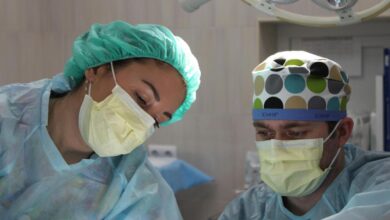
Surgical Oncology focuses on the physical removal of cancerous tumors and affected surrounding tissues. The goal is to achieve clear surgical margins (removing all malignant cells). The surgical oncologist must possess expertise in complex resections and reconstructive techniques. Their work is often critical for disease staging and definitive local control.
G. Radiation Oncology
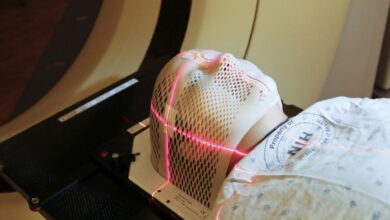
Radiation Oncology involves using high-energy radiation beams to precisely target and destroy cancer cells while minimizing damage to surrounding healthy tissue. Modern techniques, such as intensity-modulated radiation therapy (IMRT), allow for highly focused, customized treatment plans. The radiation oncologist manages the planning and delivery of these potent treatments.
H. Pediatric Oncology
Pediatric Oncology is a subspecialty focused entirely on the unique diagnosis and treatment protocols for cancers affecting children and adolescents. Childhood cancers often differ biologically from adult cancers. This specialty requires highly specialized knowledge of treatment impacts on growing bodies and long-term development.
Neurology and Brain Disorders
Neurology is the specialty dedicated to disorders of the nervous system, which includes the brain, spinal cord, and peripheral nerves. Neurological conditions are often complex and profoundly impact a patient’s mobility, cognition, and overall quality of life. Diagnosis often requires sophisticated imaging and electrophysiological testing.
I. General Neurology
General Neurology focuses on diagnosing and treating conditions like epilepsy, multiple sclerosis (MS), stroke, Parkinson’s disease, and chronic headaches/migraines. The neurologist manages drug therapies and coordinates with other specialists, such as physical therapists. This field requires exceptional diagnostic skill to interpret subtle symptoms.
J. Neurosurgery
Neurosurgery is the surgical specialty that performs operations on the brain, spinal cord, and peripheral nerves. Procedures include removing brain tumors, repairing spinal cord injuries, and treating cerebral aneurysms. Neurosurgeons collaborate closely with medical neurologists during the treatment planning phase. This specialized surgery requires exceptional precision.
K. Interventional Neuroradiology
This highly specialized field uses minimally invasive, catheter-based techniques to treat neurological disorders. Treatments include coiling aneurysms to prevent rupture or removing clots in the brain immediately following a stroke. This expertise allows for rapid intervention in time-sensitive neurological emergencies.
L. Developmental and Cognitive Neurology
This area focuses on disorders affecting cognition, memory, and development. This includes managing conditions like Alzheimer’s disease, dementia, and severe developmental disorders in children. The specialty addresses the complex intersection of brain function and behavioral health.
Conclusion

Specialty Care provides the advanced, focused expertise essential for diagnosing and treating complex medical conditions.
Cardiology offers indispensable expertise for managing the vast array of diseases affecting the vital cardiovascular system.
Interventional Cardiology utilizes minimally invasive, catheter-based techniques to correct structural heart defects without major open surgery.
Oncology is a vital, multidisciplinary field dedicated to the comprehensive staging, treatment, and management of cancer.
Surgical Oncology provides the critical expertise necessary for the physical, precise removal of malignant tumors and affected tissues.
Neurology focuses its dedicated expertise on complex disorders of the entire nervous system, including the brain and spinal cord.
Neurosurgery provides the precise, highly specialized surgical intervention required for treating severe brain injuries and complex tumors.
Effective specialty care requires seamless communication and rigorous coordination with the patient’s primary care physician.
The extensive, focused training undertaken by specialists is mandatory for delivering the most current and sophisticated treatment protocols globally.
Access to this advanced level of expertise is a non-negotiable requirement for achieving optimal long-term outcomes in complex health crises.
Specialty care ultimately ensures that patients receive the most accurate diagnosis and the most effective, cutting-edge medical interventions available.
This specialized tier of medicine acts as the indispensable guardian of health in the face of serious, life-altering disease.