Sleep Health: The Foundation of Mental and Physical Wellness


In the relentless, digitally connected pace of modern life, the necessity of a truly restorative night’s sleep is frequently and dangerously undervalued, often viewed as a luxury to be sacrificed for extended productivity or entertainment. This pervasive cultural attitude of viewing sleep as negotiable, however, directly contradicts centuries of biological and medical wisdom.
Sleep is not merely a state of physical inactivity. It is a vital, non-negotiable biological process essential for the fundamental maintenance, repair, and optimal function of both the body and the brain. During sleep, critical cognitive processes occur, including memory consolidation and emotional regulation.
Simultaneously, the body executes essential tasks, such as cellular repair and hormone production. Sleep Health is the specialized discipline dedicated to understanding and promoting consistent, high-quality, sufficient sleep as a core pillar of total well-being.
Understanding the intricate biological phases, recognizing the impact of poor sleep, and actively adopting robust sleep hygiene practices are essential steps. This discipline provides the necessary roadmap for unlocking immense potential, safeguarding long-term health, and maintaining stable emotional resilience.
The Biological Necessity of Rest
The requirement for sleep is deeply rooted in human biology. It is as fundamental to survival as the need for food and water. Chronic sleep deprivation does not simply result in temporary fatigue. It imposes severe, cumulative stress on nearly every major physiological and psychological system in the body. The body and the brain require this period of rest for crucial housekeeping tasks.
During the deepest stages of sleep, the brain actively flushes out harmful metabolic byproducts. These byproducts accumulate during the period of wakefulness. This waste clearance process is vital for neurological health. Failure to clear this waste is linked to increased risk of severe neurodegenerative diseases over the long term.
Sleep is the primary regulator of the endocrine system. It directly influences the production and balance of essential hormones. This includes growth hormones, cortisol (the stress hormone), and hormones that govern appetite and metabolism. Disrupted sleep can therefore lead directly to metabolic disorders and chronic stress.
The maintenance of a robust immune system is also profoundly reliant on consistent, quality sleep. While sleeping, the body produces critical infection-fighting proteins and cells. Chronic lack of sleep severely impairs this function. This impairment leaves the individual significantly more susceptible to both acute and chronic illnesses.
Understanding the Sleep Cycle Phases
Normal, restorative sleep is not a single, continuous state. It is composed of a complex, cyclical series of distinct neurological and physiological phases. A healthy sleep night typically involves cycling through these phases multiple times. Each phase serves a unique, non-negotiable biological function.
A. Non-Rapid Eye Movement (NREM) Sleep
NREM sleep is the initial and largest portion of the sleep cycle, characterized by decreasing brain activity and gradually deepening relaxation. It is subdivided into three main stages. Stage 1 is the initial transition period between wakefulness and sleep. Stage 2 is a period of light sleep where heart rate and body temperature drop.
Stage 3, often called Slow-Wave Sleep (SWS) or deep sleep, is the most physically restorative phase. During SWS, the body executes crucial cellular repair, muscle growth, and bone maintenance. This deepest sleep is vital for physical recovery and tissue regeneration. Adequate SWS is essential for daytime physical performance.
B. Rapid Eye Movement (REM) Sleep
Rapid Eye Movement (REM) sleep is the final and most cognitively active phase of the cycle. It is characterized by rapid eye movements, temporary paralysis of the voluntary muscles, and brain activity levels that resemble full wakefulness. This is the phase where most vivid dreaming occurs.
REM sleep is crucial for cognitive function and emotional processing. It plays a direct, indispensable role in memory consolidation, learning, and integrating new information. Severe lack of REM sleep severely impairs problem-solving skills and emotional regulation. A healthy sleep cycle requires reaching all REM stages.
C. The Full Sleep Cycle
A full sleep cycle typically lasts approximately 90 to 110 minutes. A healthy adult will typically cycle through the NREM and REM stages four to six times throughout the course of a normal night. The proportion of time spent in REM and SWS shifts throughout the night. The first few cycles contain more SWS, while later cycles contain longer REM phases.
Consequences of Chronic Sleep Deprivation

Chronic sleep deprivation, defined as regularly receiving less than the recommended seven to nine hours of sleep, imposes a severe and sustained detriment to both mental and physical performance. The cumulative deficit severely impairs cognitive and physiological functions. The consequences are wide-ranging and serious.
D. Cognitive Impairment
Lack of adequate sleep severely degrades crucial cognitive functions. These include attention span, concentration, reaction time, and decision-making capabilities. Sleep deprivation impairs the prefrontal cortex. This is the area of the brain responsible for executive function. Performance on complex tasks declines dramatically.
Memory consolidation is also directly impaired. The brain cannot properly integrate new learning and memories without sufficient REM and SWS cycles. This impairment hinders the ability to absorb new information effectively. Chronic tiredness severely reduces overall professional productivity.
E. Emotional Dysregulation
Sleep loss is a powerful trigger for emotional dysregulation. Individuals become more irritable, reactive, and prone to extreme mood swings. The lack of sleep impairs the brain’s ability to properly process and manage negative emotions. This heightens feelings of stress and anxiety. Chronic sleep debt is a significant risk factor for developing clinical anxiety and depression.
F. Physical Health Risks
The physical health consequences of chronic sleep deprivation are massive and well-documented. Lack of sleep is linked to increased risk of cardiovascular disease, including hypertension (high blood pressure) and heart attack. It impairs glucose metabolism. This impairment increases the risk of developing Type 2 diabetes. Sleep loss is also associated with chronic inflammation throughout the body.
G. Impaired Immune Function
The immune system’s effectiveness is dramatically reduced by sustained sleep deprivation. The body produces fewer infection-fighting antibodies and specialized cells. This leaves the individual far more vulnerable to both common infections and long-term serious illnesses. Consistent sleep is a powerful, natural immune booster.
Mastering Effective Sleep Hygiene
Sleep hygiene refers to the consistent set of behavioral and environmental practices designed to promote sound, restorative sleep. Establishing rigorous sleep hygiene is the most effective behavioral intervention for improving sleep quality and duration. Consistency is the non-negotiable key to success.
H. Establishing a Consistent Schedule
The most critical rule of sleep hygiene is maintaining a consistent sleep and wake schedule. Going to bed and waking up at roughly the same time every day, including weekends, helps regulate the body’s natural internal clock (circadian rhythm). Consistent timing reinforces the body’s natural cycle. This consistency is essential for high-quality sleep.
I. Optimizing the Sleep Environment
The bedroom environment must be rigorously optimized for sleep. The room should be as dark as possible to stimulate the production of the sleep hormone melatonin. It must be quiet and maintained at a cool, comfortable temperature, as coolness aids deep sleep onset. The bedroom should be viewed as a sanctuary dedicated exclusively to rest.
J. Limiting Stimulants and Blue Light
The consumption of stimulating substances, particularly caffeine and nicotine, must be strictly avoided for several hours before bedtime. Alcohol consumption should also be limited, as it fragments sleep later in the night. Exposure to blue light (emitted from phones, tablets, and computers) must be severely restricted for at least one hour before bed. Blue light suppresses melatonin production, delaying sleep onset significantly.
K. The Power of Exercise and Diet
Regular, moderate physical exercise during the day significantly promotes deeper, more restful sleep at night. However, vigorous exercise should be avoided too close to bedtime, as it can be overly stimulating. Dietary choices also play a role. Avoiding heavy, rich meals immediately before sleeping prevents digestive disruption that can fragment the sleep cycle.
Sleep Disorders and Clinical Intervention
When poor sleep hygiene and simple behavioral changes prove insufficient, a patient may be suffering from a clinical sleep disorder. These disorders are medical conditions that require formal diagnosis and specialized clinical intervention. Consulting a sleep specialist is the necessary next step.
L. Insomnia
Insomnia is a common disorder characterized by persistent difficulty falling asleep, staying asleep, or achieving non-restorative sleep. Chronic insomnia requires treatment, often involving Cognitive Behavioral Therapy for Insomnia (CBT-I). CBT-I is a highly effective, specialized therapy that addresses the psychological and behavioral factors perpetuating the condition.
M. Sleep Apnea
Sleep Apnea is a dangerous disorder where breathing repeatedly stops and starts during sleep. This fragmentation prevents the patient from reaching deep, restorative SWS and REM sleep. The condition is associated with severe cardiovascular risk. The primary treatment often involves using a continuous positive airway pressure (CPAP) machine during the night.
N. Restless Legs Syndrome (RLS)
Restless Legs Syndrome (RLS) causes an irresistible urge to move the legs, typically accompanied by uncomfortable sensations. This movement urge is often worse in the evening, making it extremely difficult to fall asleep. RLS can be treated with specific medications and by managing iron levels.
O. Narcolepsy
Narcolepsy is a chronic, debilitating neurological disorder characterized by excessive daytime sleepiness and sudden, uncontrollable episodes of sleep. This condition involves the brain’s inability to properly regulate sleep-wake cycles. Treatment typically involves a combination of specialized stimulant medications and careful behavioral management.
Conclusion
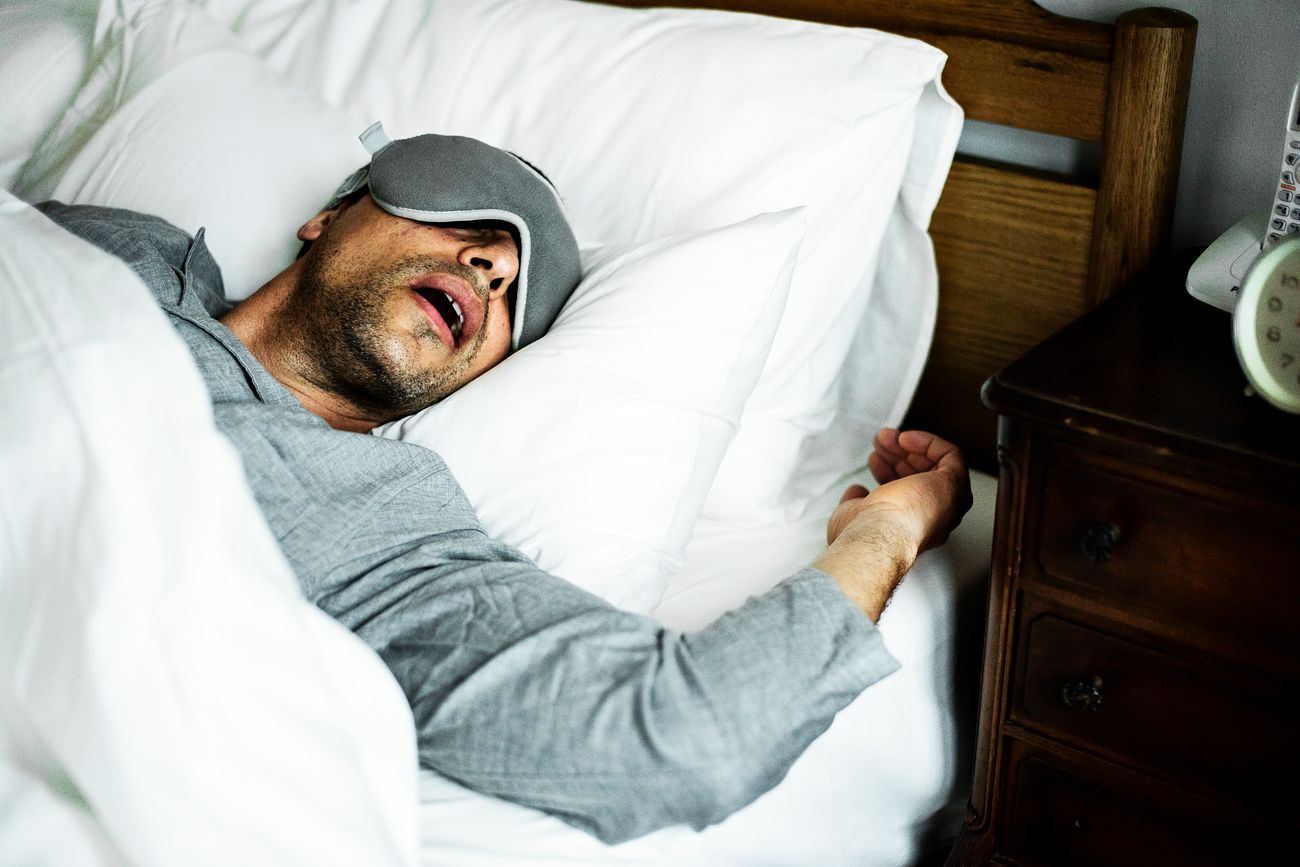
Sleep Health is the vital, non-negotiable foundation that sustains optimal cognitive and physical well-being.
Restorative sleep involves a cyclical progression through NREM deep repair and critical REM emotional processing phases.
Chronic sleep deprivation severely impairs cognitive function, reducing attention span, and degrading complex decision-making capabilities.
Lack of sleep destabilizes emotional control and significantly increases susceptibility to anxiety, mood swings, and chronic illness.
Mastering robust sleep hygiene, including a consistent schedule, is the most powerful behavioral tool for improving long-term sleep quality.
The sleep environment must be optimized, ensuring it is cool, quiet, and completely dark to enhance the necessary production of melatonin.
Regular, moderate daytime exercise is essential for consuming stress hormones and naturally promoting deeper, more restorative sleep at night.
Persistent sleep issues may indicate a clinical disorder, such as insomnia or dangerous sleep apnea, requiring formal diagnosis and specialized treatment.
The ultimate goal of dedicated sleep health is to unlock maximum daily performance, resilience, and sustained lifelong vitality.
Consistent, high-quality sleep acts as the body’s natural immune booster, actively strengthening defenses against both acute and chronic disease.
Prioritizing a sufficient duration of rest is the indispensable first step toward maximizing every other area of personal health and productivity.
Maintaining impeccable sleep health is the final, fundamental guardian of the overall integrity of the human body and mind.