The journey toward a healthier body and a sustainable weight often feels like navigating a maze of conflicting advice and fleeting trends. For decades, the media has bombarded us with “magic” pills and extreme calorie restrictions that offer quick results but fail in the long run.
However, the emergence of modern nutritional science now allows us to build weight loss strategies based on how the human metabolism actually functions. This transition represents a shift from a culture of deprivation to a focus on nutrient density and biological harmony.
We are entering an era where eating plans consider insulin sensitivity, gut microbiome health, and the psychological relationship we have with food. This evolution addresses the critical challenge of the “yo-yo” effect by prioritizing sustainable habits over temporary fixes.
By understanding the chemical signals our body sends after every meal, we can finally master our weight without feeling hungry all the time. This article explores the most effective, science-backed eating plans and how they can help you achieve lasting vitality and physical confidence.
The Mediterranean Approach to Sustainable Vitality

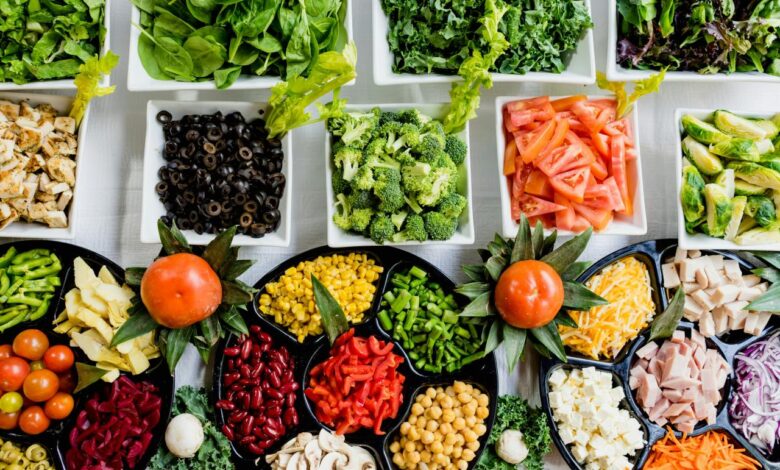
The Mediterranean diet consistently ranks as the healthiest eating plan in the world because it prioritizes whole, unprocessed foods that reduce inflammation. It focuses on healthy fats like extra virgin olive oil, lean proteins, and a massive variety of colorful vegetables and fruits.
I believe that “culinary enjoyment” is the missing ingredient in most failed weight loss attempts. You solve the problem of diet boredom by embracing a rich palette of flavors that satisfy your brain and your stomach at the same time.
This perspective helps you see weight loss as a celebration of fresh ingredients rather than a boring chore of counting every single grain of rice.
A. Emphasis on Healthy Monounsaturated Fats
Instead of avoiding fat, this plan encourages the use of heart-healthy oils and nuts that keep you full for longer periods.
These fats help your body absorb essential vitamins and protect your cardiovascular system from oxidative stress. It creates a steady source of energy that prevents the mid-afternoon energy crashes often caused by high-sugar snacks.
B. High Fiber Intake for Gut Health
The abundance of legumes, whole grains, and vegetables provides the fiber your gut bacteria need to thrive and produce short-chain fatty acids.
This fiber slows down the digestion of carbohydrates, leading to a much more stable blood sugar response after you eat. It also helps you feel physically full, which naturally reduces the total amount of calories you consume without any extra effort.
C. Lean Protein from Fish and Plant Sources
The Mediterranean plan limits red meat and focuses on fish rich in Omega-3 fatty acids and plant-based proteins like chickpeas and lentils.
These protein sources support muscle maintenance during weight loss and provide the building blocks for a healthy metabolism. It ensures that your body burns fat while keeping your vital tissues strong and resilient throughout your journey.
Low-Carb and Ketogenic Metabolic Shifts
The ketogenic diet works by drastically reducing carbohydrate intake to force the body into a metabolic state called ketosis. In this state, your liver converts stored fat into ketones, which become the primary fuel source for your brain and muscles.
My new perspective is that “metabolic flexibility” is the true goal of a low-carb lifestyle, allowing your body to switch between fuel sources easily.
You solve the reader’s problem of stubborn belly fat by lowering insulin levels, which acts as the body’s main fat-storage hormone. This perspective allows you to turn your own body into an efficient fat-burning machine that functions well even during long breaks between meals.
A. Entering the State of Nutritional Ketosis
By keeping your daily net carb intake very low, you deplete your glycogen stores and trigger the breakdown of body fat for energy.
This process often leads to rapid initial weight loss and a significant reduction in appetite and cravings for sugary junk food. It provides a powerful “reset” for people who have struggled with sugar addiction or chronic insulin resistance for many years.
B. The Importance of Electrolyte Balance
When you lower your carb intake, your body flushes out more water and minerals, which can lead to the “keto flu” if you are not careful.
Successful low-carb eaters prioritize salt, potassium, and magnesium to keep their energy levels high and their muscles working perfectly. This simple adjustment ensures that you feel great and stay active while your body adjusts to its new fuel source.
C. Focusing on High-Quality Protein and Fats
A healthy ketogenic plan is not just about eating bacon; it requires plenty of leafy greens, avocados, and high-quality proteins.
Choosing the right fats ensures that your cholesterol levels stay healthy and your cells receive the nutrients they need to function. It turns a restricted diet into a diverse and nutrient-dense way of living that supports your long-term health goals.
The Power of Intermittent Fasting Protocols
Intermittent fasting is not a traditional diet but a pattern of eating that cycles between periods of fasting and windows of eating. Popular methods like the 16:8 protocol allow your body to lower insulin levels long enough to access and burn stored body fat.
I suggest that “digestive rest” is a vital part of human health that we have lost in our modern world of 24/7 snacking.
You solve the problem of constant hunger by training your body to be comfortable with its own energy reserves. This perspective simplifies your daily life by reducing the time you spend thinking about, preparing, and cleaning up after every single meal.
A. The 16/8 and One Meal a Day (OMAD) Methods
Most people find success by eating all their food within an eight-hour window and fasting for the remaining sixteen hours of the day.
This schedule aligns with your natural circadian rhythm and gives your liver a chance to clear out excess glucose and toxins. It is a flexible tool that you can adjust to fit your work schedule or social life without feeling like you are failing.
B. Autophagy and Cellular Repair Processes
During longer fasting periods, your body triggers a “self-cleaning” process called autophagy, where it breaks down and recycles damaged cell components.
This process not only helps with weight loss but also improves skin health and may slow down the aging of your internal organs. It is like a deep-cleaning service for your biological systems that happens automatically while you are resting or working.
C. Hormonal Regulation and Growth Hormone
Fasting naturally boosts the production of human growth hormone, which helps preserve muscle mass and accelerates the burning of body fat.
It also improves your sensitivity to leptin, the hormone that tells your brain when you have had enough food to eat. This hormonal rebalancing makes it much easier to maintain your weight loss once you reach your target goal.
Plant-Based Diets and Volumetrics
A plant-based eating plan focuses on foods derived from plants, including vegetables, grains, nuts, seeds, and fruits, with little to no animal products. The “Volumetrics” approach within this plan emphasizes eating large quantities of low-calorie-density foods to keep the stomach full.
My perspective is that “volume eating” is the ultimate psychological hack for people who love to see a big plate of food. You solve the problem of feeling restricted by filling your plate with massive salads and roasted vegetables that have very few calories.
This perspective allows you to satisfy your visual and physical hunger cues while still losing weight at a consistent and healthy pace.
A. Maximizing Nutrient Density per Calorie
By choosing foods that are high in water and fiber, you can eat more food while consuming fewer total calories than a standard diet. This prevents the “starvation mode” that often causes people to quit their weight loss journey after just a few weeks of struggle.
You get to enjoy the crunch and variety of plants while your body receives a massive dose of life-saving antioxidants and minerals.
B. The Benefits of Phytochemical Diversity
Plants contain thousands of unique chemicals that protect against chronic diseases and improve the metabolic rate of your cells. Eating a “rainbow” of different plant colors ensures that you get a wide range of these protective compounds for your immune system.
It turns your kitchen into a pharmacy where every meal helps to strengthen your body’s natural defense mechanisms.
C. Sustainable Weight Loss for the Planet
Many people find that a plant-based plan is easier to stick to because it aligns with their personal values regarding the environment.
This emotional and ethical connection provides extra motivation during the days when you might feel tempted to return to old, unhealthy habits. It makes your weight loss journey a meaningful part of a larger positive impact on the world around you.
High-Protein and Thermic Effect Strategies
A high-protein diet prioritizes protein at every meal to boost the metabolism and protect lean muscle tissue during a calorie deficit. Protein has the highest “thermic effect of food,” meaning your body burns more calories just trying to digest a steak than it does digesting fat or carbs.
I believe that “protein leverage” is the most effective way to control your appetite naturally without using expensive and risky weight loss drugs.
You solve the problem of muscle loss by giving your body the amino acids it needs to stay firm and toned as you lose weight. This perspective ensures that you look fit and healthy at the end of your transformation rather than just “skinny-fat” and tired.
A. The Role of Leucine in Muscle Protein Synthesis
Leucine is a specific amino acid found in high-quality proteins that acts as a chemical switch to trigger muscle growth and repair.
Consuming enough leucine throughout the day keeps your metabolic rate high by ensuring your muscle tissue remains active and metabolically demanding. This is vital for maintaining a high “resting metabolic rate,” which is the amount of energy you burn while doing nothing at all.
B. Satiety Signals and the PYY Hormone
Protein triggers the release of Peptide YY (PYY), a hormone in the gut that sends powerful “I am full” signals to the brain.
This makes high-protein meals much more satisfying than meals based on refined carbohydrates or high amounts of processed fats. It helps you naturally avoid overeating at your next meal because you still feel satisfied from the previous one.
C. Stabilizing Blood Sugar and Reducing Cravings
Eating protein with every meal slows down the absorption of sugar into your bloodstream, preventing the spikes and crashes that cause hunger.
This stability makes it much easier to say no to office donuts or late-night snacks that usually derail a successful weight loss plan. It provides the steady hand you need to steer your nutritional ship through the choppy waters of daily life and stress.
Mindful Eating and Behavioral Science
Mindful eating involves paying full attention to the experience of eating, noticing the colors, smells, textures, and flavors of your food without judgment. Behavioral science shows that our environment and our habits often have a bigger impact on our weight than our actual willpower.
My new perspective is that “environmental design” is more powerful than any diet plan you can find in a book or on the internet. You solve the problem of mindless overeating by changing how you store food in your kitchen and how you set your dinner table.
This perspective turns your home into a supportive partner that makes the healthy choice the easiest and most natural choice for you.
A. Recognizing True Hunger vs. Emotional Cravings
Mindfulness helps you distinguish between physical hunger in your stomach and “head hunger” triggered by stress, boredom, or sadness.
By pausing before you eat, you can decide if your body truly needs fuel or if you just need a glass of water or a short walk. This simple habit saves you thousands of calories over the course of a year and builds a much healthier relationship with food.
B. The 20-Minute Rule for Fullness Signals
It takes about twenty minutes for your stomach to tell your brain that it is full, but most people finish their meals in less than ten.
Slowing down and chewing your food thoroughly allows these signals to reach your brain before you have a chance to take a second or third helping. It makes you realize that you actually need much less food than you thought to feel completely satisfied and energized.
C. Designing Your Kitchen for Weight Loss Success
Behavioral science suggests that we are more likely to eat whatever is at eye level in our pantry or on our kitchen counter.
By placing healthy fruits and vegetables in clear containers at the front of the fridge, you make the right choice the most convenient one. Hiding processed snacks in opaque containers in a high cupboard reduces the visual triggers that lead to impulsive and unhealthy snacking.
Conclusion
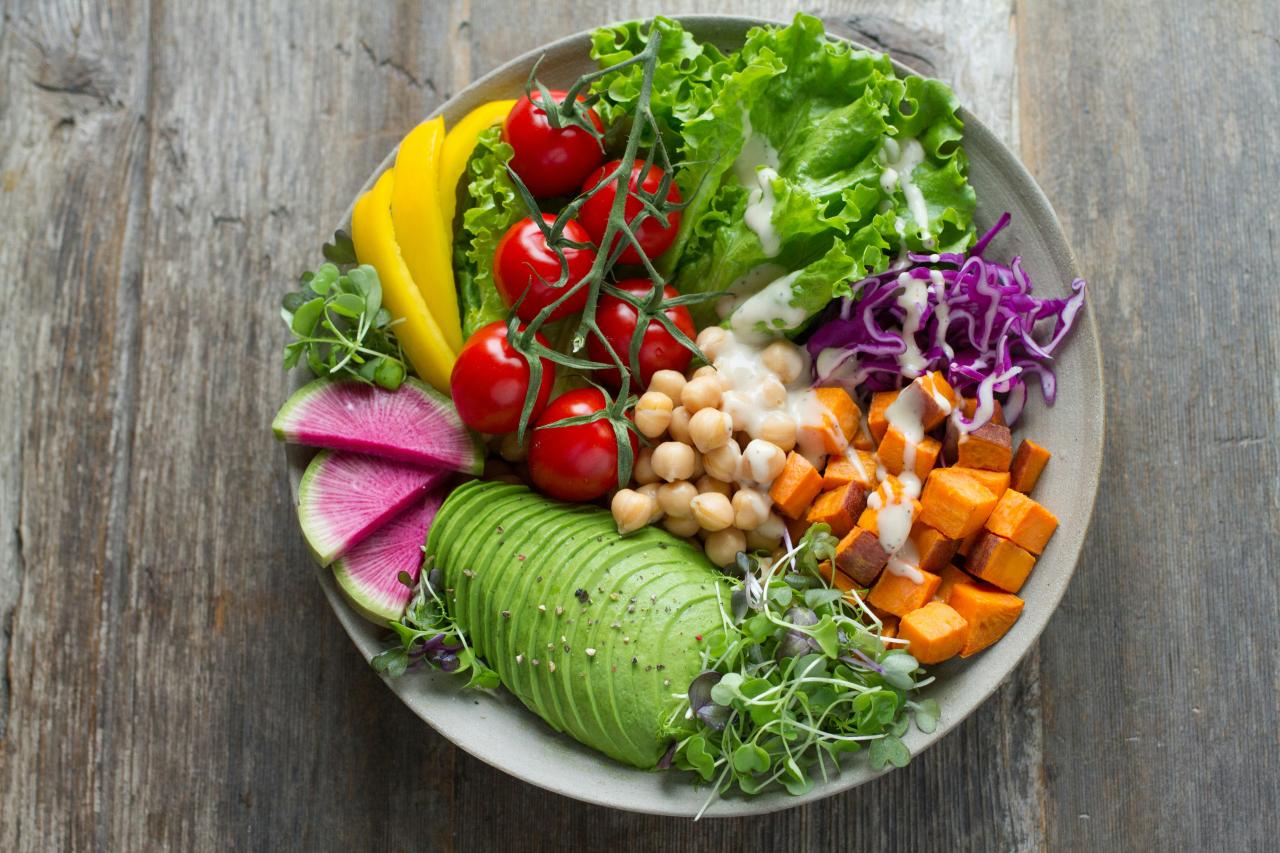
Science-backed eating plans offer a clear and sustainable path to your ideal weight. You must choose a strategy that fits your unique lifestyle and your personal taste. The Mediterranean diet provides a delicious and heart-healthy foundation for a very long life.
Low-carb plans help you master your metabolism by lowering your daily insulin levels. Intermittent fasting gives your digestive system the rest it needs to burn stored fat. You solve the problem of hunger by focusing on high-fiber and high-protein food choices.
Mindful eating ensures that you enjoy every bite while listening to your body’s signals. The best plan is the one that you can follow with joy for many years. Weight loss is not about perfection but about making better choices every single day.
Small changes in your daily habits lead to massive results over a long time. Your health is the most valuable asset you will ever own in your life. Innovation in nutrition science makes it easier than ever to reach your goals.
Support for your body’s natural processes is a vote for a much better future. Stay curious about how different foods affect your energy and your mood today. The journey to a healthier you starts with a single and mindful and smart meal. Take the first step by choosing one healthy habit to start practicing this very week.