Pharmaceuticals: Science, Safety, and Drug Administration

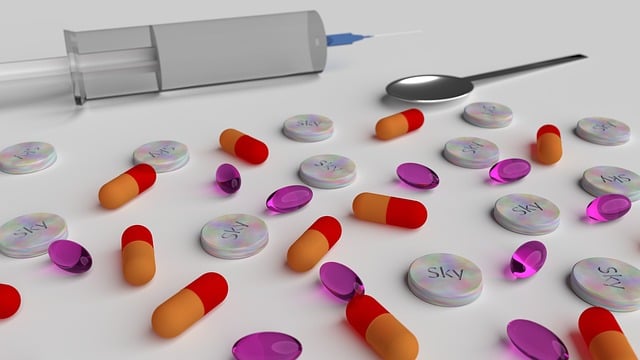
The modern marvel of dramatically increased human longevity and the significant reduction in death rates from once-lethal diseases are testaments to one of medicine’s most profound achievements: the continuous innovation in pharmaceuticals and medications. These chemical substances are meticulously designed and rigorously tested to treat illnesses, alleviate chronic symptoms, and prevent future diseases, forming the absolute backbone of contemporary healthcare.
The process of bringing a single new drug from initial discovery to widespread patient use is an immensely complex, multi-year, and astronomically expensive scientific endeavor. It requires the specialized collaboration of chemists, biologists, clinicians, and regulators to ensure both efficacy and mandatory patient safety.
Pharmaceuticals and Medications are not simple consumer products; they are powerful, precisely calibrated tools that directly alter the body’s physiological and chemical processes. Understanding the intricate world of drug development, the strict regulatory oversight, and the importance of responsible administration is vital.
This knowledge is essential for every patient, healthcare professional, and stakeholder seeking to navigate the complex, high-stakes landscape of modern clinical treatment successfully.
The Complex Journey of Drug Development
The pathway for a new chemical compound to achieve approval as a marketable medication is an extended, highly structured, and notoriously challenging process. The initial stage involves thousands of hours of fundamental research and discovery. Scientists identify potential therapeutic targets, such as specific proteins or genes involved in a disease. They then synthesize or screen tens of thousands of chemical compounds that might successfully interact with that target.
This phase is characterized by high failure rates and immense financial risk. Only a tiny fraction of the initial compounds ever make it past the preliminary testing stage. The primary goal is to find a molecule that is both potent enough to have a therapeutic effect and safe enough to move into living systems.
Once a promising candidate molecule is identified, it enters a phase of rigorous pre-clinical testing. This involves extensive laboratory work and mandatory testing in animals. Pre-clinical trials determine the compound’s basic toxicity, metabolism, and preliminary efficacy. Only if these results are favorable can the manufacturer apply for regulatory permission to begin human testing.
This entire development journey demands staggering investment. The high costs are justified by the profound societal benefits delivered when a new drug successfully treats a debilitating or life-threatening disease. Scientific rigor is the non-negotiable requirement at every step.
Regulatory Oversight and Clinical Trials
The entire process of drug development is strictly governed by national and international regulatory bodies. These governmental agencies, such as the Food and Drug Administration (FDA) or the European Medicines Agency (EMA), are the ultimate arbiters of drug safety and efficacy. Their oversight is mandatory and comprehensive.
A. Phase 1 Clinical Trials
The human testing process begins with Phase 1 Clinical Trials. These are small-scale studies involving a limited number of healthy volunteers, typically 20 to 80 people. The primary objective is to evaluate the drug’s safety, dosage range, and how the human body metabolizes and excretes the compound (pharmacokinetics). Efficacy is not the main focus at this early stage.
B. Phase 2 Clinical Trials
If Phase 1 results are satisfactory, the drug moves to Phase 2 Clinical Trials. These are larger studies involving several hundred patients who actually have the disease the drug is intended to treat. The primary objective shifts to determining the drug’s efficacy and finding the optimal, most effective therapeutic dose. Safety continues to be monitored rigorously throughout this intermediate phase.
C. Phase 3 Clinical Trials
Phase 3 Clinical Trials are the final, largest, and most crucial stage of testing. These massive trials involve thousands of patients across numerous clinical sites globally. The drug is compared directly against the current standard of care treatment or a placebo. The primary objective is to confirm the drug’s efficacy, monitor for long-term side effects, and gather the statistical evidence required for final approval. This phase often takes several years to complete fully.
D. Regulatory Review and Approval
Once Phase 3 is successfully concluded, the manufacturer submits a voluminous application package to the regulatory body. Regulators meticulously review all pre-clinical and clinical data—a process that can take many months. The final approval is granted only if the agency determines that the drug’s benefits significantly outweigh its known risks for the target population.
Understanding Drug Names and Categories
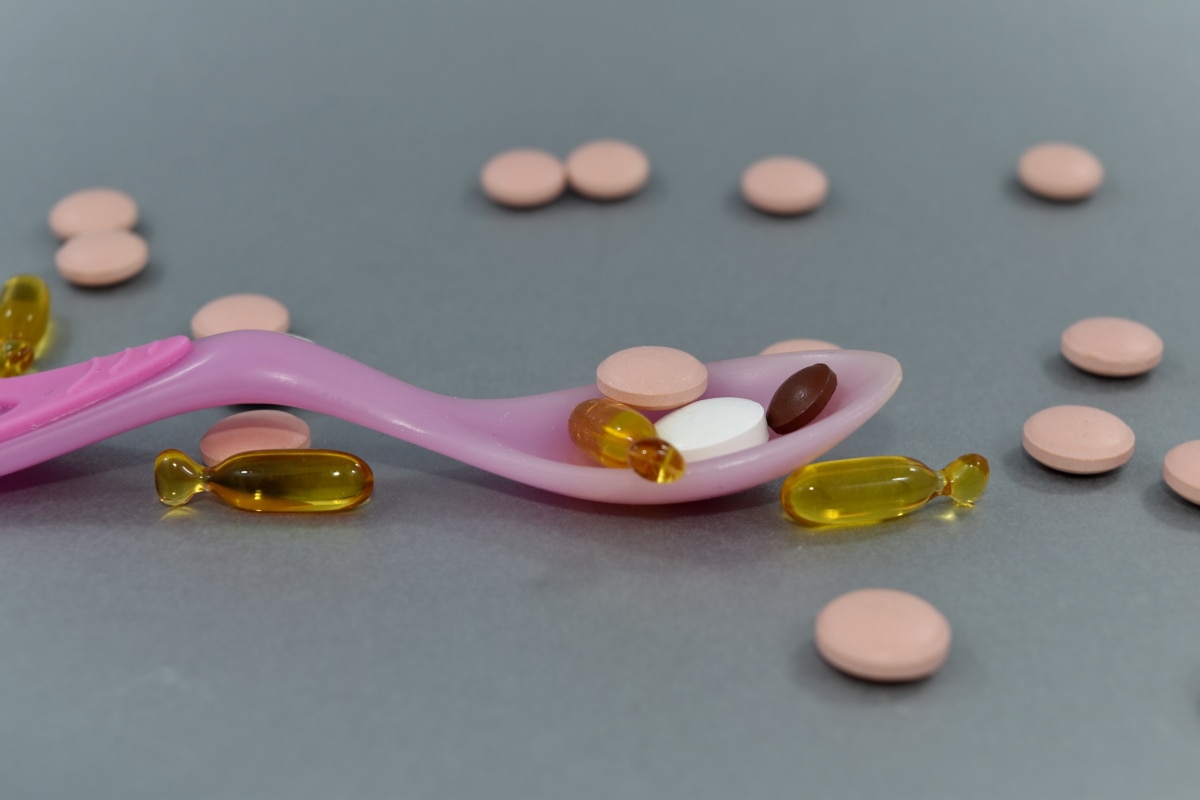
The public and healthcare professionals encounter medications under different nomenclature. Understanding the distinction between these names is vital for safe and accurate administration. Drugs are also broadly classified by their active ingredients.
Generic names are the established, non-proprietary chemical names for the active ingredient in the medication (e.g., ibuprofen). These names are standard globally. They are used by the scientific community and regulators universally.
Brand names (or trade names) are proprietary names given to a drug by the manufacturing company (e.g., Advil, Motrin). Brand names are protected by trademark law. These names are often easier for patients to remember and recognize visually. Once the patent expires, other companies can sell generic versions of the drug.
Medications are also categorized by their mechanism of action or the disease they are designed to treat. For example, antibiotics treat bacterial infections, while antidepressants treat mood disorders. This classification helps medical professionals select the correct drug therapy.
The distinction between prescription drugs and over-the-counter (OTC) drugs is legally defined by their potential for harm. Prescription drugs require a doctor’s authorization due to high potency or the need for professional monitoring. OTC drugs are deemed safe enough for direct consumer purchase without medical supervision.
Pharmacokinetics and Pharmacodynamics
The science of how drugs interact with the human body is divided into two critical, specialized areas. These areas are pharmacokinetics (what the body does to the drug) and pharmacodynamics (what the drug does to the body). These processes dictate safe dosage and therapeutic effectiveness.
Pharmacokinetics (PK) describes the movement of the drug within the body over time. This involves four key stages. The drug must be absorbed into the bloodstream, distributed to the target tissues, metabolized (broken down) by the liver, and finally excreted (removed) by the kidneys. Understanding PK is essential for determining appropriate dosage schedules.
Pharmacodynamics (PD) describes the actual effect of the drug on the body’s tissues and systems. This involves studying how the drug interacts with specific cellular receptors or physiological pathways to produce the desired therapeutic effect. PD defines the drug’s mechanism of action. The desired effect is the core goal of the drug’s design.
Optimal drug administration requires balancing these two sciences. The dosage must be high enough to achieve the necessary PD effect at the target site. Crucially, the dosage must also be low enough to ensure safe PK elimination without causing toxic buildup in the liver or kidneys. This therapeutic window is strictly defined.
Safe Administration and Avoiding Adverse Events
The safety of medications relies entirely on the precision of their prescription, dispensing, and ultimate administration. Errors in any of these stages can lead to serious, harmful adverse drug events (ADEs). Minimizing ADEs is a primary goal of all healthcare providers.
E. Drug Interactions
Drug Interactions occur when two or more medications, or a drug and a food/supplement, interfere with each other’s actions. This interference can either amplify the effects, leading to toxicity, or diminish the effects, leading to therapeutic failure. Prescribing physicians must meticulously review a patient’s complete medication list to screen for all potential harmful interactions.
F. Adherence (Compliance)
Adherence refers to the patient’s faithful compliance with the prescribed dosage, frequency, and duration of the medication regimen. Poor adherence is a massive, costly public health problem. Patients may stop taking medication due to side effects, cost concerns, or simply forgetting doses. Healthcare providers must educate and monitor patients closely to ensure high adherence rates.
G. Adverse Drug Reactions (ADRs)
Adverse Drug Reactions (ADRs) are unintended, harmful responses to a medication administered at a normal dose. ADRs are classified by their severity. They range from mild side effects (nausea) to severe, life-threatening allergic reactions. All detected ADRs must be reported to the regulatory authority. This post-market surveillance helps ensure continued patient safety.
H. Medication Reconciliation
Medication Reconciliation is a crucial safety procedure. It involves compiling a complete, accurate list of all medications a patient is taking. This procedure is mandatory at all critical transitions in care. These transitions include admission to the hospital, transfer between units, and discharge home. Accurate reconciliation prevents dangerous prescribing errors and drug omissions.
The Role of Pharmacogenomics
The future of pharmaceuticals and medications is rapidly moving toward personalization, driven by advances in pharmacogenomics. This cutting-edge science studies how an individual’s unique genetic makeup influences their response to specific drugs. This allows for a much more precise and safer approach to prescribing.
Genetic variations can affect the liver enzymes responsible for drug metabolism. These variations can cause a drug to be metabolized too quickly, making it ineffective. Conversely, a drug might be metabolized too slowly, leading to toxic levels in the body. Pharmacogenomics identifies these specific risks beforehand.
Genetic testing allows physicians to tailor the dosage and selection of a drug based on the patient’s unique genetic profile. This personalization minimizes the risk of severe side effects. It maximizes the probability of therapeutic success on the first attempt. This highly precise method reduces the costly and dangerous “trial-and-error” prescribing common today.
While still a developing field, pharmacogenomics is actively transforming specialty areas like oncology, where customized treatment regimens are already becoming the standard of care. This focus on genetic individuality is the future of safe and effective medication administration.
Conclusion

Pharmaceuticals are the indispensable, highly calibrated chemical tools that form the backbone of modern clinical treatment.
The development process is lengthy, expensive, and rigorously governed by strict regulatory oversight to guarantee safety and efficacy.
Clinical trials, structured in three distinct phases, are mandatory for confirming a drug’s safety profile and required therapeutic effectiveness.
Pharmacokinetics describes how the body processes the drug, dictating precise dosage, absorption, and eventual elimination rates.
Pharmacodynamics describes the drug’s effect on the body, defining the mechanism of action that produces the desired therapeutic result.
Safe administration requires meticulous prevention of drug interactions and diligent patient adherence to the prescribed regimen.
Medication reconciliation is the crucial procedural step that prevents deadly prescribing errors at every major transition in patient care.
Pharmacogenomics is the future, enabling the personalization of dosage and drug selection based on the patient’s unique genetic profile.
The continuous post-market surveillance and mandatory reporting of adverse drug reactions ensure the ongoing safety of all administered medications.
The distinction between generic and proprietary brand names is essential for understanding cost and the underlying chemical composition of the drug.
Responsible use ensures that the immense power of these substances is harnessed strictly for the preservation and restoration of human health.
This specialized field is the ultimate guardian of human longevity, providing precise chemical interventions against complex diseases.