Developing a resilient community wellness system requires a fundamental shift in how we approach healthcare and social policy. For many decades, the standard model of public health focused almost entirely on treating diseases after they already affected the population.
This traditional reactive approach often ignored the environmental and social factors that contribute to chronic illness and community stress. However, the emergence of data-driven health policy and integrated wellness systems now allows us to prevent issues before they become crises.
This transition represents a monumental shift from individual medical care to a holistic system of community-wide health support. We are entering an era where digital health monitoring and neighborhood-level interventions create a much stronger safety net for everyone.
This innovation addresses the critical challenge of rising healthcare costs by focusing on the root causes of poor wellness. By integrating nutrition, mental health support, and urban planning, we can build a society that thrives naturally.
This article explores the most effective and proven methods to modernize community health and how you can participate in this vital movement.
The Integration of Technology in Public Health Monitoring
Modern wellness systems rely on real-time data to identify health trends and stop outbreaks before they spread through a neighborhood. Digital platforms now allow health officials to track everything from air quality to exercise habits across an entire city.
I believe that “proactive surveillance” is the most ethical way to use modern technology for the greater good of the people. You solve the problem of late-stage disease detection by creating a digital early-warning system that alerts families to potential risks.
This perspective turns your smartphone and local sensors into a protective shield that keeps your community safe and informed.
A. Wearable Devices and Population Health Data
Smartwatches and fitness trackers provide a constant stream of data that can help researchers understand community activity levels.
When thousands of people share their anonymized health data, it becomes easy to see where the system needs more resources. This allows for a more efficient allocation of medical staff and wellness programs to the areas that need them most.
B. Telemedicine and Remote Consultation Systems
Digital clinics allow people in remote or underserved areas to speak with world-class specialists without traveling long distances.
This technology breaks down the barriers of geography and income, providing high-quality care to every member of the community. It ensures that a simple health question doesn’t turn into an expensive emergency room visit later on.
C. Environmental Sensors for Air and Water Quality
Installing smart sensors throughout a city provides immediate data on pollutants that could affect respiratory health or child development.
Public dashboards allow citizens to check the safety of their environment in real-time before they go outside for a jog. This transparency forces local governments to take faster action against pollution to protect the lives of their residents.
Transforming Urban Spaces for Active Living
The way we design our cities has a massive impact on the physical and mental health of every person living there. Moving away from car-centric layouts toward walkable neighborhoods encourages daily movement and reduces the stress of long commutes.
My new perspective is that “urban medicine” is the most effective form of long-term healthcare for a large population. You solve the problem of sedentary lifestyles by building physical environments that make exercise a natural and fun part of the day.
This perspective turns every sidewalk and park into a vital piece of medical equipment that improves the lives of thousands.
A. Expanding Green Spaces and Public Parks
Access to nature reduces cortisol levels and provides a free space for community exercise and social interaction. These “green lungs” of the city are essential for filtering the air and providing a mental escape from the noise of urban life.
They act as a central hub where people of all ages can stay active and build meaningful connections with their neighbors.
B. Designing Walkable and Bike-Friendly Infrastructure
Protected bike lanes and wide sidewalks make it safe and easy for people to choose active transportation over driving.
This small change in habits leads to lower rates of heart disease and obesity across the entire community over several years. It also reduces traffic congestion and noise pollution, making the neighborhood a much more pleasant place to live and work.
C. Community Gardens and Urban Agriculture
Turning empty lots into productive gardens provides fresh produce to residents while teaching them the value of healthy eating.
These projects reduce the impact of “food deserts” where fresh vegetables are often too expensive or hard to find. They create a sense of ownership and pride that strengthens the social fabric of the neighborhood while improving nutrition.
Mental Health Support as a Public Priority
For too long, mental health has been treated as a private struggle rather than a public health priority that affects everyone. Modern wellness systems integrate psychological support into schools, workplaces, and community centers to reduce the stigma of seeking help.
I suggest that “emotional resilience” is the most valuable asset a community can develop to survive a rapidly changing world.
You solve the problem of isolation and depression by creating a culture where mental wellness is discussed as openly as physical fitness. This perspective ensures that no one has to suffer in silence and that support is always just a few steps away.
A. School-Based Wellness and Emotional Learning
Teaching children how to manage stress and communicate their feelings creates a foundation for a much healthier adult population.
Early intervention can prevent minor issues from becoming major crises that disrupt a student’s education and future. It prepares the next generation to handle the challenges of life with confidence and a strong sense of self-worth.
B. Workplace Mental Health Initiatives
Companies that prioritize the mental well-being of their employees see higher productivity and lower rates of burnout and turnover.
Providing access to counseling and encouraging regular breaks creates a more sustainable and humane working environment for everyone. It recognizes that a healthy mind is the engine behind a successful and innovative local economy.
C. Crisis Intervention and Peer Support Networks
Community-led support groups allow people to share their experiences and help each other through difficult times without formal medical barriers.
These networks provide immediate comfort and practical advice that professional services sometimes miss during a standard appointment. They build a powerful sense of solidarity that helps the community recover faster from shared tragedies or economic shifts.
Nutritional Policy and Food Security Solutions
Access to affordable and healthy food is a basic human right that serves as the foundation for all other public health goals. Policy shifts that subsidize fresh produce while taxing high-sugar products can drastically improve the average health of a community.
My perspective is that “nutritional justice” is the only way to eliminate the health gap between different income levels. You solve the problem of chronic disease by making the healthy choice the easiest and most affordable choice for every family.
This perspective shifts the focus from dieting to building a sustainable food system that nourers every citizen equally.
A. Subsidized Fresh Food Markets in Underserved Areas
Bringing mobile markets and farmers’ markets to low-income neighborhoods ensures that everyone can afford high-quality ingredients.
This direct approach bypasses the expensive grocery store chains and puts money back into the hands of local farmers. it creates a resilient food web that protects the community from global supply chain disruptions and price spikes.
B. Universal School Meal Programs
Providing free and healthy breakfast and lunch to every student ensures that no child has to learn on an empty stomach.
These programs introduce children to a wide variety of nutritious foods and set a standard for healthy eating habits at home. It is one of the most effective long-term investments a government can make in the future health of its citizens.
C. Regulating Food Advertising to Children
Limiting the marketing of unhealthy snacks and drinks to young people helps prevent early-onset obesity and related health problems.
By promoting water and whole foods instead, we can protect children from the influence of powerful corporate marketing campaigns. This policy shift creates a safer media environment where children are not constantly tempted by addictive and harmful products.
Preparing for Global Health Emergencies
A truly modern wellness system must be ready to respond to sudden threats like pandemics or environmental disasters at a moment’s notice. This requires a robust infrastructure of testing, vaccination, and clear communication that the public can trust during a crisis.
I believe that “emergency readiness” is a form of insurance that every community must pay for to ensure its long-term survival. You solve the problem of panic and chaos by having a pre-verified plan that everyone understands before the emergency actually happens.
This perspective allows a city to stay calm and functional even when the world around it is facing a major health challenge.
A. Strategic Stockpiles of Medical Supplies
Maintaining a local reserve of masks, oxygen, and essential medicines prevents the shortages that cause so many unnecessary deaths.
These supplies must be managed and rotated regularly to ensure they are always ready for immediate use. It provides a sense of security that allows medical professionals to do their jobs without worrying about running out of basic tools.
B. Public Health Communication and Literacy
Ensuring that every citizen knows where to get accurate information prevents the spread of dangerous rumors and misinformation.
Clear and honest communication from trusted local leaders is the most effective way to gain public cooperation during a health mandate. It builds a relationship of trust that is essential for the success of any large-scale community wellness initiative.
C. Rapid Response Testing and Vaccination Hubs
Having pre-planned locations for mass testing and medical distribution allows a community to react much faster than its neighbors.
These hubs can be set up in schools or community centers that are already familiar to the residents. This speed is the difference between a small localized issue and a widespread crisis that shuts down the entire local economy.
Strengthening Social Bonds and Community Cohesion
Health is not just about the absence of disease; it is about the presence of a strong and supportive social network. People who feel connected to their neighbors live longer and have much lower rates of chronic stress and heart problems.
My new perspective is that “social capital” is a vital nutrient that is just as important as vitamins or minerals for human health.
You solve the problem of loneliness by creating events and spaces where people from different backgrounds can meet and talk. This perspective turns a collection of houses into a true community where everyone looks out for the well-being of each other.
A. Community Events and Neighborhood Festivals
Regular gatherings that celebrate local culture and art help to break down barriers and build lasting friendships between residents.
These events create a sense of belonging that is a powerful deterrent against the negative health effects of social isolation. They remind everyone that they are part of a larger story and that their presence in the neighborhood matters.
B. Intergenerational Programs and Senior Support
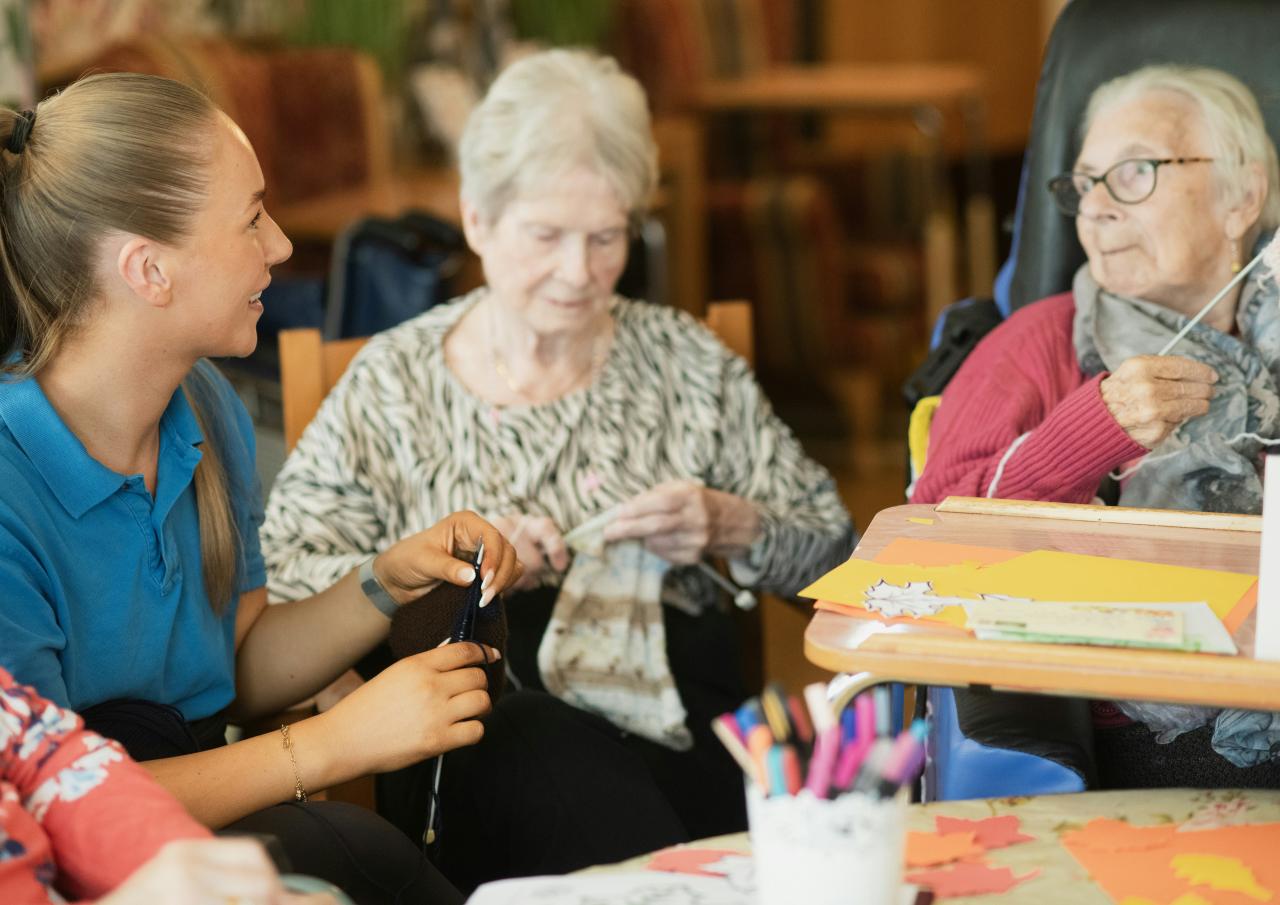
Connecting young people with the elderly provides mutual benefits, as the youth gain wisdom and the seniors gain a sense of purpose.
These programs reduce the isolation that many older adults feel while giving young people a broader perspective on life. It creates a complete and healthy community lifecycle where every age group is valued and supported by the others.
C. Volunteer Networks and Mutual Aid Societies
Encouraging residents to help each other with simple tasks like grocery shopping or yard work builds a deep reserve of community trust.
When people know they can rely on their neighbors during a difficult time, their overall anxiety levels decrease significantly. This grassroots support system is often more flexible and responsive than any government program could ever hope to be.
Conclusion

Modern wellness systems are the foundation of a very strong and happy society. You must support local policies that put the health of the people first today. Green spaces and walkable streets make exercise a very natural part of your life.
Mental health support ensures that no one in your neighborhood suffers alone. Healthy food must be affordable and also easy to find for every family. You solve your health worries by building a very safe and supportive community.
Digital tools help us track wellness and also stop diseases much faster. Emergency plans protect our families from the sudden and dark risks of nature. Social bonds are the secret medicine that helps everyone live a much longer life.
Innovation in public health is a major victory for every and each citizen. Every single new park or garden is a step toward a much better future. The best time to improve your community’s wellness is right now this year.
Support your neighbors by participating in local health and wellness programs today. Stay curious about new health policies to keep your city at the very edge. The journey to a vibrant and happy community starts with one single choice.