
The field of clinical medicine has undergone a radical transformation with the rise of precision oncology, a discipline that moves beyond the traditional one-size-fits-all approach to cancer care. In the past, oncology relied heavily on cytotoxic chemotherapy, which targets all rapidly dividing cells, leading to a broad range of systemic side effects.
Today, advanced precision oncology leverages the power of genomic profiling to identify the specific molecular drivers of a patient’s unique tumor. This deep understanding of cancer biology allows clinicians to prescribe targeted therapies that act like “smart bombs,” attacking malignant cells while sparing healthy tissue.
By focusing on the genetic mutations and protein expressions that fuel tumor growth, these therapies offer higher efficacy and a significantly improved quality of life for patients. Furthermore, the integration of monoclonal antibodies and small-molecule inhibitors has opened new doors for treating previously resistant forms of cancer.
As researchers continue to map the intricate signaling pathways of the human genome, the potential for personalized treatment plans becomes almost limitless. This article explores the core pillars of targeted therapy and how genomic data is reshaping clinical protocols in modern oncology.
We are entering an era where the molecular signature of the tumor, rather than its location in the body, dictates the course of treatment.
The Evolution of Genomic Profiling in Oncology
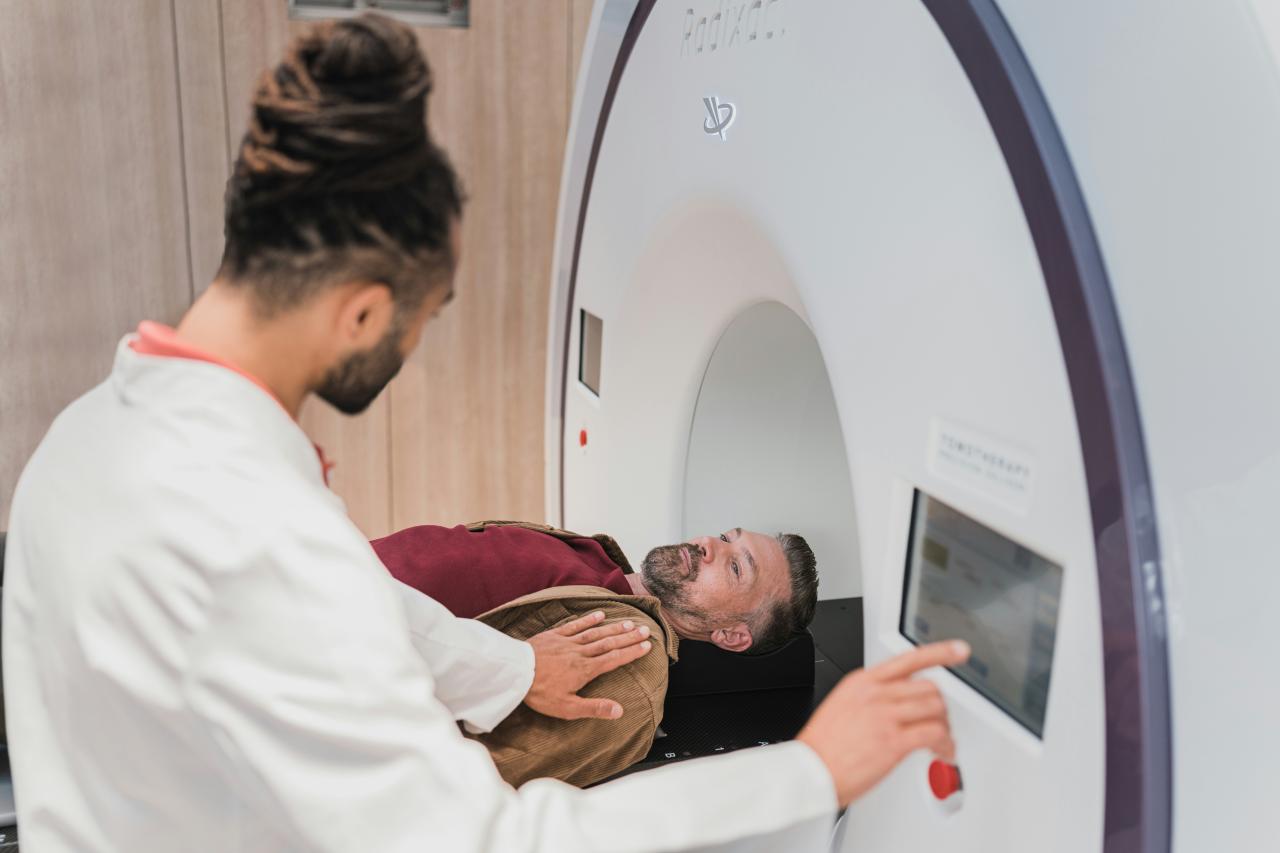
Genomic profiling is the bedrock of precision medicine, providing a detailed map of the genetic alterations present within a tumor. By sequencing the DNA and RNA of cancer cells, doctors can identify “actionable mutations”—specific genetic changes that can be targeted by existing drugs.
This process allows for a transition from histology-based treatment to molecularly-driven therapy. Instead of treating all lung cancers the same way, clinicians now look for specific markers like EGFR, ALK, or ROS1 to guide their decisions.
A. Next-Generation Sequencing (NGS) and High Throughput
The development of Next-Generation Sequencing has made it possible to analyze hundreds of genes simultaneously with incredible speed and accuracy. Unlike older methods that looked at one gene at a time, NGS provides a comprehensive overview of the tumor’s mutational landscape.
This high-throughput technology is now a standard part of diagnostic protocols in major cancer centers worldwide.
B. Somatic vs. Germline Mutations
It is important to distinguish between somatic mutations, which occur only within the tumor cells, and germline mutations, which are inherited and present in every cell of the body.
Genomic profiling identifies both, helping to determine the best treatment for the current cancer and assessing the risk of future cancers for the patient and their family. This dual insight is crucial for comprehensive patient management.
C. The Role of Liquid Biopsies in Monitoring
Liquid biopsies involve analyzing circulating tumor DNA (ctDNA) found in a simple blood sample, offering a non-invasive way to monitor a patient’s response to therapy.
This technology allows doctors to detect signs of recurrence or the development of drug resistance much earlier than traditional imaging. It provides a real-time window into the evolving biology of the cancer without the need for repeated tissue biopsies.
Mechanisms of Targeted Cancer Therapies
Targeted therapies work by interfering with the specific proteins and signaling pathways that cancer cells use to grow, divide, and spread. While chemotherapy kills cells that are already dividing, targeted drugs often work by blocking the “on” switch that tells the cells to start dividing in the first place.
This precision minimizes the collateral damage to healthy cells, such as those in the hair follicles or digestive tract. Understanding these mechanisms is key to understanding why these treatments are so effective.
A. Small-Molecule Inhibitors
Small-molecule drugs are tiny enough to enter cells easily, allowing them to target proteins located deep inside the cytoplasm or nucleus. These drugs are usually taken orally and work by blocking the signals that promote tumor growth or by inducing programmed cell death, also known as apoptosis.
Common examples include tyrosine kinase inhibitors (TKIs) used in the treatment of chronic myeloid leukemia and certain lung cancers.
B. Angiogenesis Inhibitors
Tumors require a constant supply of blood to grow beyond a certain size, so they send out signals to trigger the growth of new blood vessels. Angiogenesis inhibitors are a type of targeted therapy that blocks these signals, effectively “starving” the tumor of the nutrients and oxygen it needs to survive.
By preventing the formation of this supporting infrastructure, the treatment can cause tumors to shrink or remain dormant.
C. Hormone Therapies for Targeted Care
Certain types of breast and prostate cancers are fueled by hormones like estrogen or testosterone. Targeted hormone therapies work by either lowering the levels of these hormones in the body or by blocking the receptors on the surface of the cancer cells.
This prevents the “fuel” from reaching the tumor, significantly slowing its progression and improving survival rates in hormone-sensitive cases.
The Power of Monoclonal Antibodies
Monoclonal antibodies (mAbs) are lab-made proteins designed to mimic the immune system’s ability to fight off harmful pathogens. In oncology, these antibodies are engineered to seek out and bind to specific proteins found only on the surface of cancer cells.
Once attached, they can perform a variety of functions, from flagging the cell for destruction by the immune system to delivering toxic payloads directly to the tumor.
A. Naked Monoclonal Antibodies and Immune Flagging
Naked mAbs do not have any drugs or radioactive material attached to them; they work by simply binding to the cancer cell. This binding can act as a “red flag,” making it easier for the body’s natural immune cells to find and kill the cancer. Some also work by blocking growth factor receptors, preventing the cell from receiving the signals it needs to multiply.
B. Antibody-Drug Conjugates (ADCs)
ADCs are a more sophisticated form of monoclonal antibody that acts as a delivery vehicle for potent chemotherapy or radioactive particles. By linking a toxic drug to an antibody that specifically targets cancer cells, clinicians can deliver a high dose of treatment directly to the tumor while minimizing systemic exposure.
This “Trojan Horse” strategy allows for the use of drugs that would be too toxic if administered conventionally.
C. Bispecific Antibodies and Dual Targeting
One of the most exciting recent advancements is the development of bispecific antibodies, which can bind to two different targets at the same time.
For example, one arm of the antibody might bind to a cancer cell while the other arm binds to a T-cell in the immune system. This effectively “tethers” the immune cell to the cancer cell, forcing a direct and highly targeted attack.
Precision Medicine in Clinical Protocols
Integrating precision oncology into daily clinical practice requires a shift in how medical teams collaborate and make decisions. The vast amount of data generated by genomic profiling must be interpreted correctly to be useful for the patient.
This has led to the rise of Molecular Tumor Boards—multidisciplinary teams of oncologists, pathologists, geneticists, and bioinformaticians who meet to discuss individual cases. These boards ensure that the latest scientific insights are translated into actionable treatment plans.
A. Matching Patients to Clinical Trials
Precision oncology has revolutionized the way clinical trials are designed, moving away from “basket” trials based on organ type to “umbrella” trials based on genetic markers. If a patient has a rare mutation, genomic testing can help match them with a specific trial that is testing a drug designed for that exact abnormality.
This increases the chances of a positive response and helps speed up the approval of new life-saving therapies.
B. Managing the Challenge of Drug Resistance
Despite the initial success of targeted therapies, many cancers eventually develop resistance by finding alternative growth pathways. Clinical protocols now involve serial monitoring through liquid biopsies to detect these “escape” mutations as they happen.
When resistance is found, the treatment plan can be quickly adjusted to include a second-generation inhibitor or a combination of different targeted agents.
C. Tumor-Agnostic Treatment Strategies
In a major shift for clinical medicine, some drugs are now being approved for use in any tumor type that carries a specific genetic marker, regardless of where it started. These are known as tumor-agnostic treatments.
This means a drug originally designed for a specific lung cancer mutation might also be used for a patient with colon cancer if they share the same molecular target, broadening the options for patients with rare or hard-to-treat diseases.
Overcoming the Scalability Trilemma in Cancer Care
Just as in other complex systems, oncology faces a “trilemma” where clinicians must balance treatment efficacy, patient safety, and accessibility.
High-precision treatments are often extremely effective and safe, but they can be prohibitively expensive or difficult to access in certain regions.
Finding ways to scale these advanced therapies while maintaining high standards of care is one of the biggest challenges facing modern medicine.
A. The Economic Barrier of Targeted Drugs
The research and development costs for targeted therapies and monoclonal antibodies are staggering, leading to high prices for the end-user. Many patients struggle to access these treatments due to insurance limitations or the lack of specialized testing facilities in their area.
Addressing these economic barriers is essential for ensuring that the benefits of precision oncology are available to everyone, not just a privileged few.
B. The Emergence of Biosimilars
To combat high costs, the pharmaceutical industry is developing biosimilars—near-identical versions of existing monoclonal antibodies that have gone off-patent.
Biosimilars offer the same therapeutic benefits at a lower price point, increasing competition and making life-saving treatments more accessible to a broader population. This is a critical step in the sustainable growth of precision medicine programs globally.
C. Standardization of Testing Across Labs
For precision oncology to be truly effective, the genomic tests performed in different laboratories must yield consistent and reliable results.
Global efforts are underway to standardize the reporting and interpretation of genetic variants. This ensures that a patient receives the same high-quality care regardless of where they are diagnosed or which testing provider they use.
The Impact of Immunotherapy and Targeted Synergy
While targeted therapies focus on the cancer cells themselves, immunotherapy works by unleashing the patient’s own immune system to fight the disease. The synergy between these two approaches is a major area of current research.
By using a targeted drug to shrink a tumor and expose its internal proteins, doctors can make the cancer much more “visible” to the immune system, enhancing the effectiveness of subsequent immunotherapy treatments.
A. Immune Checkpoint Inhibitors
Cancer cells often use “checkpoints” to trick the immune system into thinking they are healthy, normal cells. Checkpoint inhibitors are a type of therapy that blocks these signals, essentially taking the “brakes” off the immune system.
When combined with targeted therapies that create a more favorable tumor microenvironment, these drugs can lead to long-term, durable remissions even in advanced stages of cancer.
B. Predicting Response Through Biomarkers
Not all patients respond to immunotherapy, so genomic profiling is used to identify biomarkers like Tumor Mutational Burden (TMB) or Microsatellite Instability (MSI).
Patients with a high TMB often have a better response because their cancer cells look very different from normal cells, making them easier for the immune system to recognize. This predictive power allows clinicians to avoid the “trial and error” approach and go straight to the most promising treatment.
C. Cell-Based Targeted Therapies (CAR-T)
CAR-T cell therapy involves taking a patient’s T-cells, genetically engineering them in a lab to recognize a specific target on the cancer, and then infusing them back into the patient.
This is the ultimate form of “targeted” therapy, as it creates a living drug that can seek out and destroy cancer cells throughout the body. While currently most successful in blood cancers, research is ongoing to apply this targeted approach to solid tumors.
Side Effect Profiles and Quality of Life
One of the most significant benefits of advanced targeted therapy is the shift in the side effect profile compared to traditional chemotherapy. Because these drugs are more selective, they do not cause the same level of widespread cellular damage. However, they are not without their own unique set of challenges.
Managing these specific side effects is a crucial part of the clinical medicine protocol to ensure that patients can remain on their treatment for as long as possible.
A. Dermatological and Gastrointestinal Effects
Many targeted therapies, particularly those blocking growth factor receptors, can cause skin rashes or digestive issues like diarrhea. While these are usually less severe than the hair loss or extreme nausea seen with chemo, they can still significantly impact a patient’s daily life.
Clinical teams now use proactive management strategies, including topical treatments and dietary adjustments, to mitigate these issues early.
B. Cardiovascular and Metabolic Monitoring
Some targeted drugs can affect heart function or blood pressure, requiring regular monitoring by a cardiologist during treatment.
Similarly, certain therapies can impact how the body processes sugar or fats, leading to metabolic changes. This highlights the importance of an integrated care team that looks at the patient’s overall health, not just the tumor itself.
C. The Psychological Benefit of Oral Therapies
The move toward oral small-molecule inhibitors has a profound psychological impact on patients, as they can take their medication at home rather than spending hours in an infusion center.
This provides a greater sense of autonomy and allows for a more “normal” lifestyle during treatment. Improving quality of life is a primary goal of clinical medicine, and the convenience of targeted therapy is a major contributor to that goal.
The Future of Multi-Omic Integration
The next frontier of precision oncology lies in “multi-omics”—the integration of data from DNA, RNA, proteins (proteomics), and metabolic pathways (metabolomics).
While genomic profiling tells us what might happen in a cell, proteomics tells us what is actually happening at the functional level.
By combining these different layers of information, doctors will be able to create even more precise models of a patient’s disease and predict responses with nearly 100% accuracy.
A. Proteomics and Pathway Activation
Proteomics looks at the expression and activity of the proteins that are the actual targets of most drugs. In some cases, a gene mutation might be present, but the resulting protein isn’t active, meaning a targeted drug wouldn’t work.
Proteomic analysis can confirm whether the drug’s target is actually functional, adding another layer of certainty to the treatment selection process.
B. Artificial Intelligence in Data Interpretation
The sheer volume of data generated by multi-omic testing is too vast for human clinicians to process alone. Artificial intelligence and machine learning algorithms are being developed to identify patterns and predict treatment outcomes.
These tools act as a “digital assistant” for the molecular tumor board, highlighting the most relevant data points and suggesting the most effective drug combinations.
C. Real-World Evidence and Global Databases
As more patients undergo genomic profiling, the data is being shared in global databases to improve our collective understanding of rare cancers.
This real-world evidence allows doctors to see how other patients with the exact same mutation responded to various treatments. This collaborative approach ensures that every patient benefits from the shared knowledge of the global oncology community.
Conclusion

Advanced precision oncology is fundamentally changing the way we approach the diagnosis and treatment of cancer. Targeted therapies represent a shift away from broad-spectrum chemotherapy toward highly specific molecular interventions.
Genomic profiling is the essential first step in identifying the unique genetic signatures that drive tumor growth. Monoclonal antibodies provide a powerful tool for marking cancer cells or delivering toxic payloads with surgical precision. Small-molecule inhibitors offer a convenient and effective way to block the internal signaling pathways of malignant cells.
The use of liquid biopsies allows for non-invasive, real-time monitoring of treatment response and resistance. Clinical protocols are becoming increasingly personalized, guided by multidisciplinary molecular tumor boards.
Tumor-agnostic treatments are opening new doors for patients with rare diseases across different organ systems. Addressing the economic barriers and the need for standardized testing is critical for global health equity. Immunotherapy and targeted therapy are increasingly used in combination to achieve more durable patient outcomes.
Managing the unique side effects of targeted drugs is essential for maintaining the patient’s quality of life. The integration of multi-omics and artificial intelligence will define the next generation of precision medicine. Real-world data sharing is accelerating the pace of discovery for even the rarest forms of cancer.
We are moving toward a future where cancer is managed as a chronic, controllable condition rather than a terminal illness. The success of these therapies relies on a deep understanding of the biology of both the patient and the tumor. As technology advances, the dream of truly personalized medicine is becoming a daily reality in clinics around the world.