The world of health and exercise is moving away from boring machines toward movements that actually improve your daily life. For many decades, people spent hours in the gym doing repetitive bicep curls or sitting on stationary bikes without seeing real-world results.
We are now entering an era where functional training allows you to build a body that is both strong and highly capable. This evolution means you can carry heavy groceries, play with your kids, or hike up a mountain without feeling constant pain.
Functional movements mimic the natural patterns of the human body, such as squatting, reaching, pulling, and lunging. By focusing on these core patterns, you build a balanced physique that resists injury and looks naturally athletic.
This article explores the essential pillars of functional fitness and how you can start your transformation today. You will discover the practical secrets that turn a standard workout into a life-changing physical experience. Let us dive into the methods that keep your joints healthy and your muscles firing with incredible power.
Modern fitness requires a smart strategy where you prioritize movement quality over the heavy weight on the bar. From understanding core stability to mastering your body weight, the depth of functional performance is truly impressive for any beginner.
You do not need a gym full of expensive equipment to get in the best shape of your life if you know the right moves. This guide breaks down complicated training concepts into easy and actionable tasks that you can do in your living room.
We will show you how to identify the hidden physical weaknesses that most people completely ignore during their gym sessions. You will discover why your “mind-muscle connection” is often more important than the specific number of repetitions you complete.
The goal is to build a resilient and energetic body that keeps you feeling young as the years go by. Join us as we decode the art of functional training and help you master your own path to wellness. Let us explore the best ways to stay fit while enjoying the physical freedom that a strong body provides.
Mastering The Seven Primal Movement Patterns
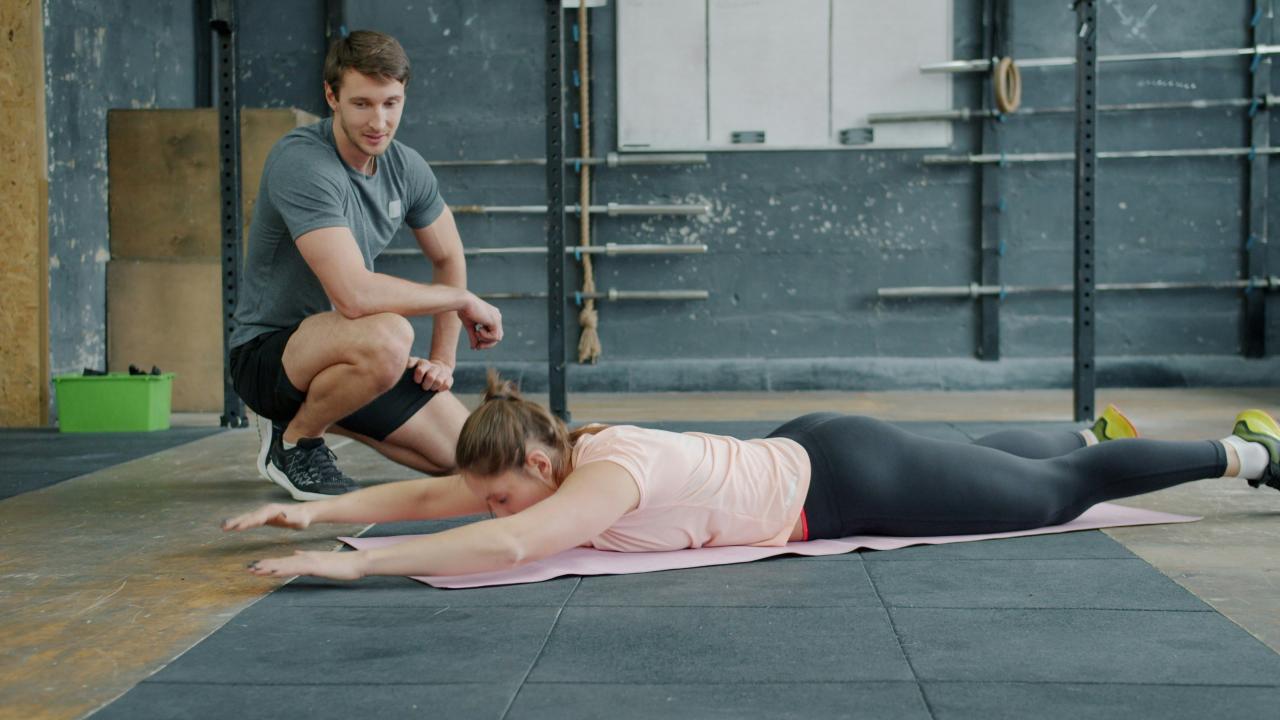
Functional training focuses on seven basic movements that humans have used for thousands of years to survive and thrive. In the past, people got their exercise from hunting, gathering, and building their own shelters in nature.
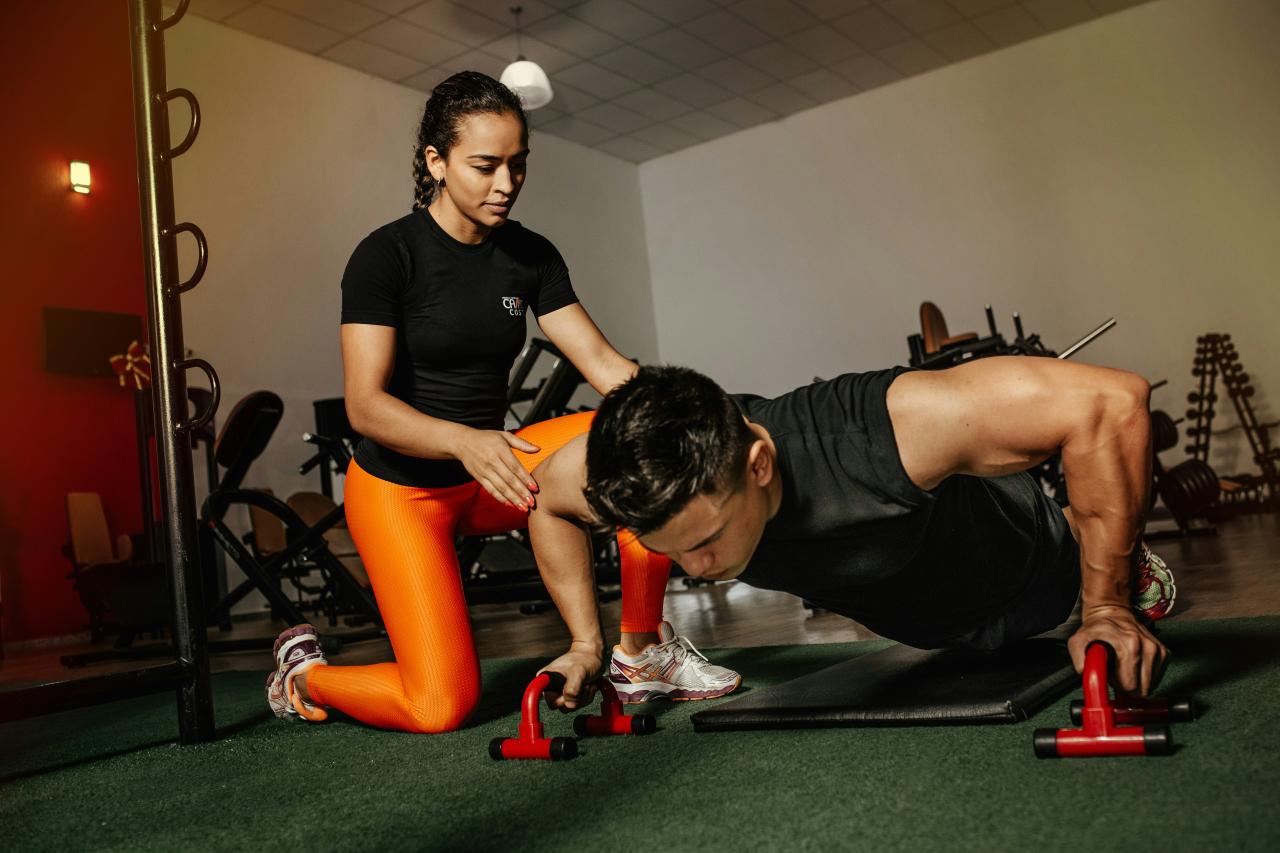
Today, we simulate these actions with squats, lunges, hinges, pushes, pulls, rotations, and walking. Mastering these patterns ensures that your muscles work together as a single unit rather than in isolated and unnatural pieces.
This creates a “functional foundation” that protects your spine and improves your overall athletic performance. It is the most natural way to train if you want to stay mobile and strong for your entire life.
A. Squatting deeply to build powerful legs and improve the mobility of your hips and ankles.
B. Lunging forward and sideways to develop balance and stability in your lower body joints.
C. Hinging at the hips to strengthen your lower back and the back of your legs safely.
D. Pushing and pulling heavy objects to create a balanced and strong upper body physique.
Many people struggle with these moves because they spend too much time sitting at a desk every day. You can solve this “stiffness trap” by performing these movements with just your body weight before adding any extra resistance.
Focus on moving through a full range of motion to unlock your joints and remind your brain how to move correctly. Once you move well without weight, you can slowly add dumbbells or kettlebells to increase your total strength.
The Importance Of Core Stability And Balance
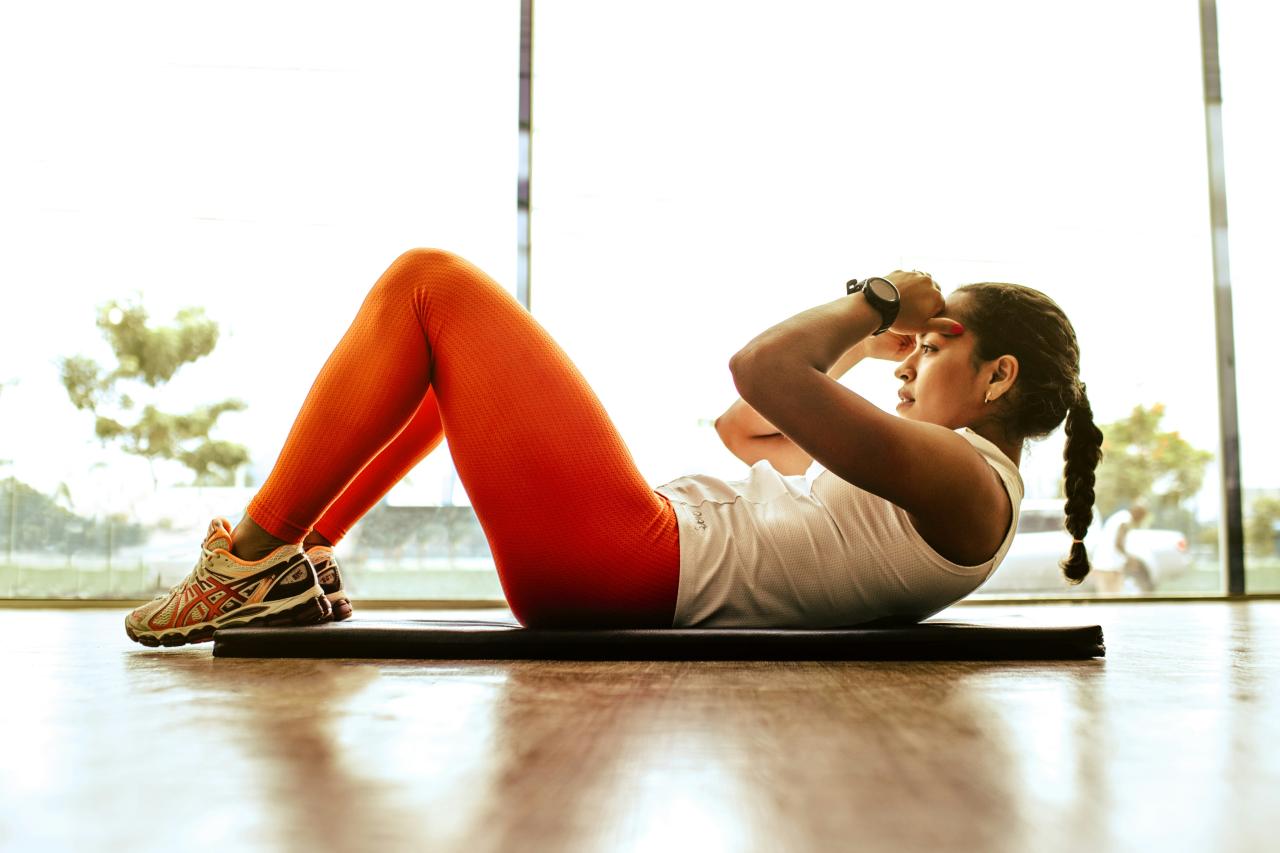
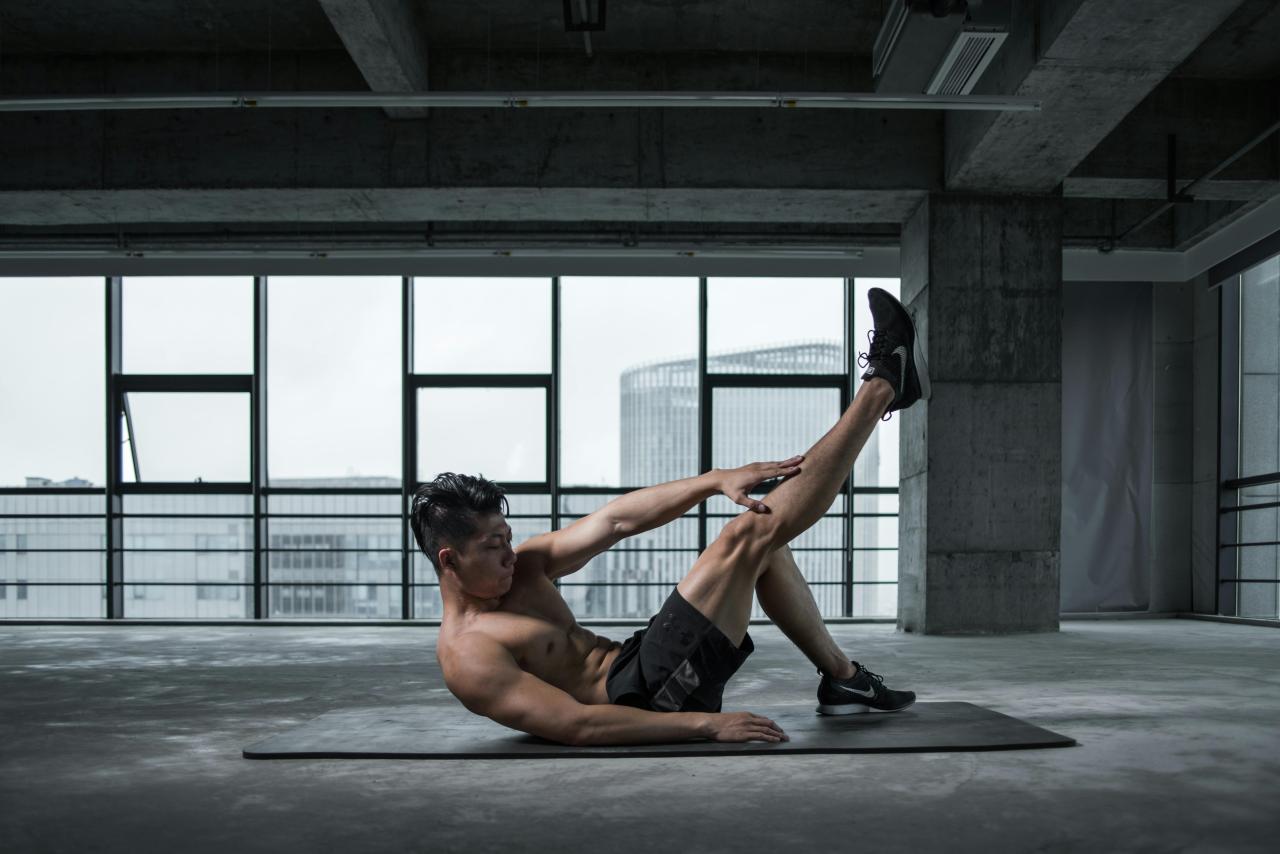
A strong core is the “bridge” that connects your upper and lower body and allows you to move with total control. Functional core training is not about doing a thousand sit-ups until your stomach burns; it is about resisting movement.
Exercises like the plank or the “bird-dog” teach your spine to stay stable while your arms and legs are moving fast. This protects your back from injury when you are lifting heavy boxes or playing your favorite weekend sports.
When your core is stable, your limbs can generate much more power and speed without any wasted energy. It is the secret weapon of every elite athlete and high-performance individual in the world.
A. Holding a perfect plank to build the endurance of your deep abdominal and back muscles.
B. Practicing single-leg stands to improve your balance and the small stabilizing muscles in your feet.
C. Carrying a heavy weight in one hand to force your core to resist leaning to the side.
D. Rotating your torso under control to build power for movements like swinging a golf club.
Most beginners think a strong core means having visible six-pack abs for the beach. You solve this “vanity hurdle” by focusing on how your back feels when you lift something heavy from the floor.
If your back feels solid and painless, your core is doing its job perfectly regardless of how you look in the mirror. Function always leads to form, so train for strength and the aesthetic results will naturally follow over time.
Integrating Tools For Dynamic Strength
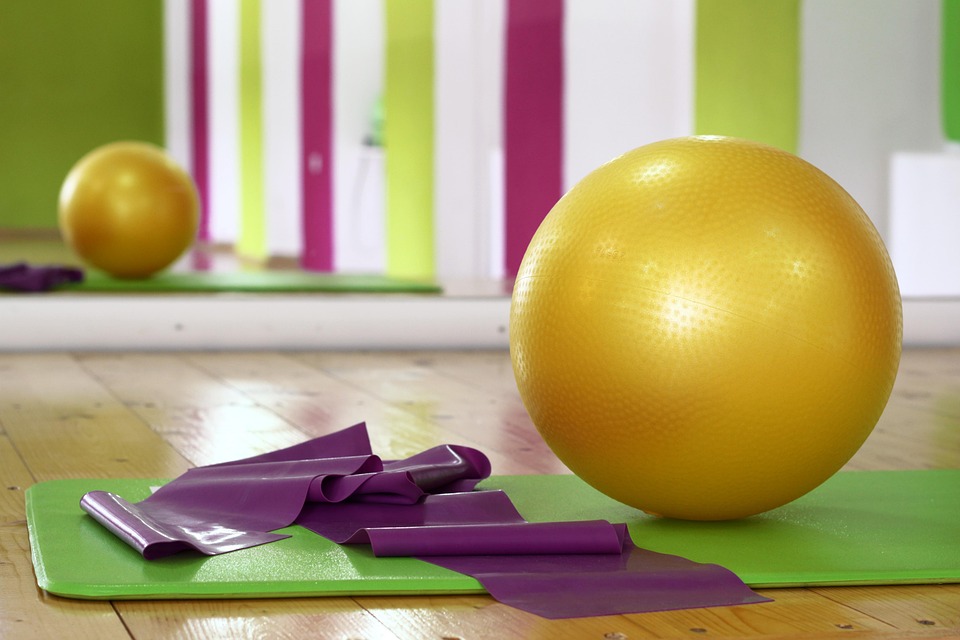
Functional training uses simple tools like kettlebells, sandbags, and suspension trainers to challenge your body in new ways. Unlike gym machines that move in a fixed line, these tools move freely and require you to stabilize the weight yourself.
This forces your nervous system to wake up and coordinate many different muscles at the exact same time. Using a sandbag, for example, mimics the uneven weight of a sleeping child or a heavy bag of groceries.
These tools build “raw strength” that is much more useful in a real-world emergency than a chest press machine. They also keep your workouts exciting because the variety of movements you can perform is almost infinite.
A. Swinging a kettlebell to build explosive power in your hips and improve your heart health.
B. Using a suspension trainer to use your own body weight as resistance for difficult pulling moves.
C. Lifting a sandbag to get used to objects that shift and change shape as you move them.
D. Throwing medicine balls to develop fast-acting muscles that react quickly to physical challenges.
You might feel intimidated by these tools because they look different from the equipment you see in a typical health club. You solve this “fear of the new” by picking just one tool, like a single kettlebell, and learning three basic moves with it.
You don’t need a huge variety to see results; you just need to be consistent with a few high-value exercises. Mastering one tool gives you the confidence to explore more advanced equipment as your fitness level increases.
Prioritizing Mobility And Active Recovery
Mobility is the ability to move your joints through their full range of motion without any pain or restriction. Functional training is useless if your muscles are so tight that you cannot even touch your own toes.
You must spend time stretching and using “active recovery” days to help your body heal from your intense training sessions. This includes things like light walking, swimming, or gentle yoga to keep the blood flowing to your tired muscles.
A mobile body recovers faster and feels much better during the work week than a stiff and overtrained one. It is the part of fitness that ensures you can keep training for decades without burning out or getting hurt.
A. Stretching your hip flexors daily to reverse the damage caused by sitting in a chair for hours.
B. Rolling your muscles on a foam roller to release tight knots and improve your overall blood circulation.
C. Taking a long walk on your “off days” to stay active without putting too much stress on your joints.
D. Practicing deep breathing to lower your stress levels and help your nervous system recover from hard work.
The biggest mistake is thinking that “more is always better” and never taking a day off to rest. You solve this “burnout trap” by scheduling your recovery days just as strictly as you schedule your heavy lifting days. Your muscles don’t grow while you are in the gym; they grow while you are sleeping and resting at home.
Respect your body’s need for downtime, and it will reward you with more energy and strength during your next session.
Conclusion
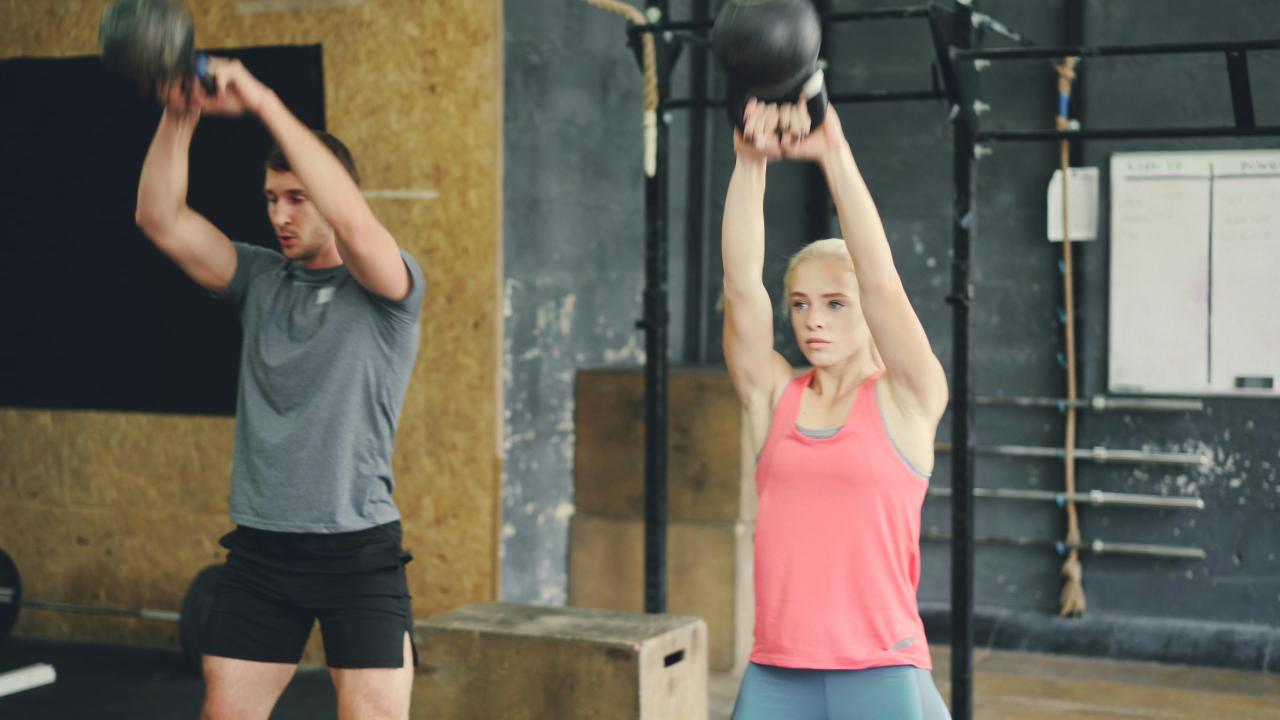
Physical fitness represents a transformative breakthrough in personal sovereignty, replacing sedentary habits with innovative functional movements and strength-based routines that ensure your biological engine wins today.
By integrating core stability and compound exercises like squats and lunges into your daily flow, you can effectively eliminate physical vulnerability and back-related risks while benefiting from the increased power of a well-tuned body.
Taking immediate action to adopt simple yet effective tools like kettlebells and weighted bags allows you to reclaim your vitality, grow your physical wealth, and secure a longer future through disciplined recovery and sleep.
The path to a successful and high-performance lifestyle is clear when you use movement and metabolic health as your primary tools to fuel rapid growth and achieve ultimate freedom starting today.